![[{[item.product.name]}]]([{[item.product.photo.url]}] 75w)
For free delivery are missing -,--
Order Summary
Sum 0,00 £
Price includes discounts

Gold Bars
Number of products: 103Gold bars price closest to the metal itself — no design premium, no collector market, just weight, fineness and a serial number. GoldInvest24 stocks thirteen weights from 0.5 g to 1 kg, all 999.9 fine, from refiners accredited under the LBMA Good Delivery system.
The heavier the bar, the less you pay per gram: minting, the assay card and the sealed blister cost roughly the same whether the bar holds 1 g or 1 kg. Lighter bars are easier to sell a piece at a time. Choose a weight below, or check the live gold price first.
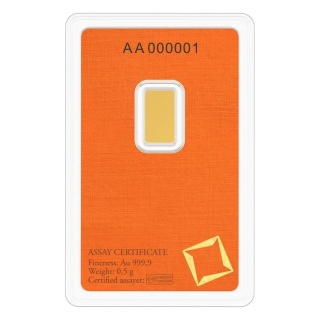
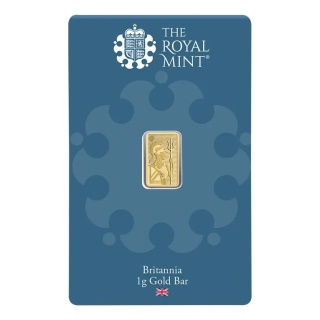
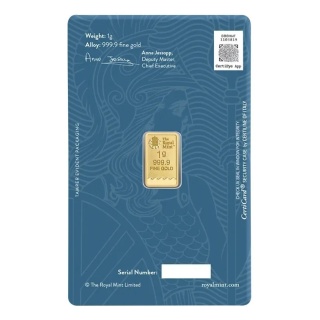
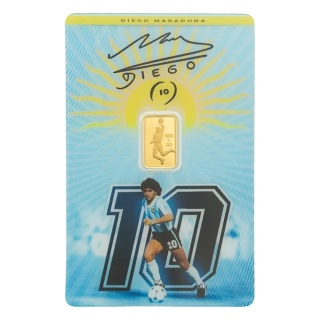
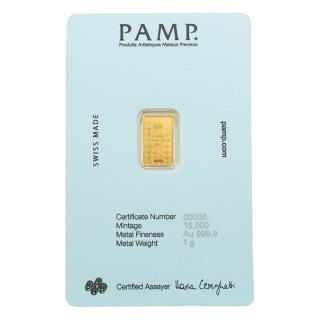
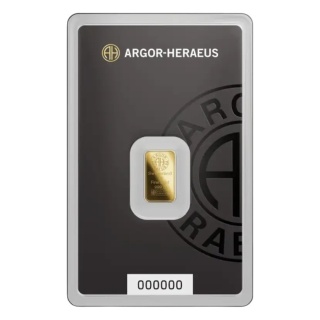
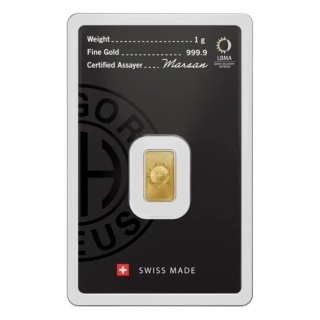
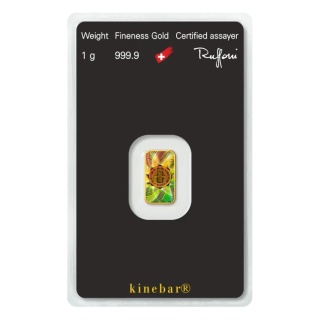
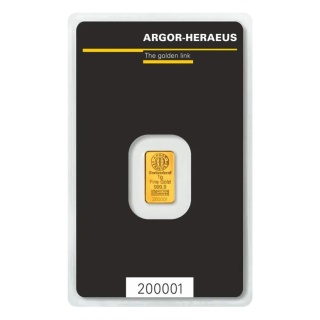
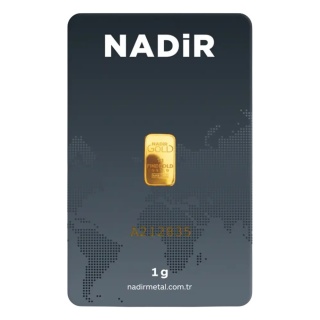
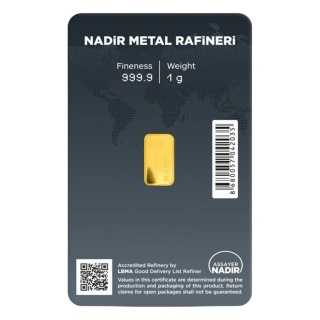
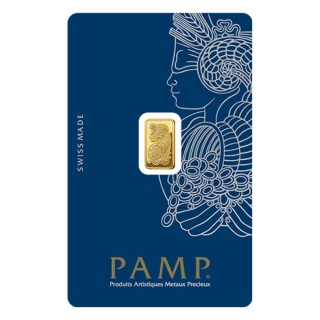
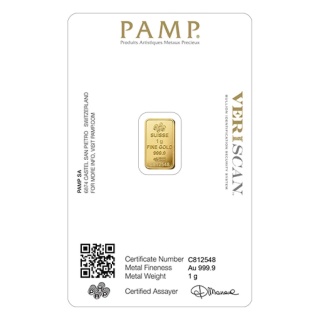
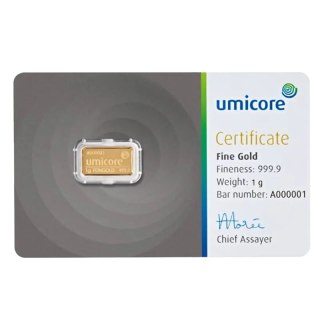
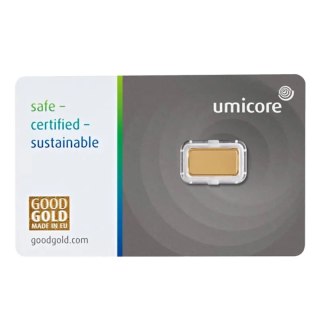
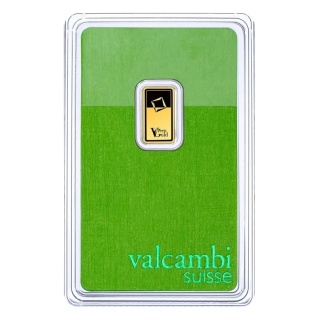
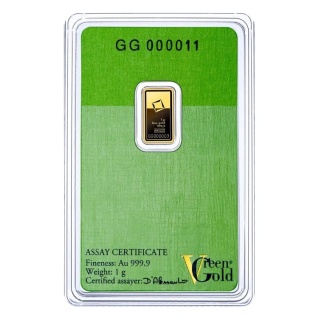
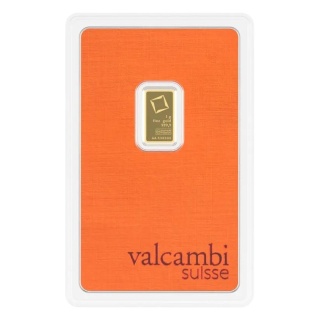
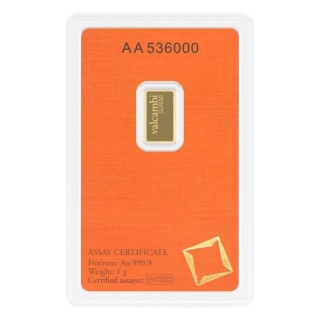
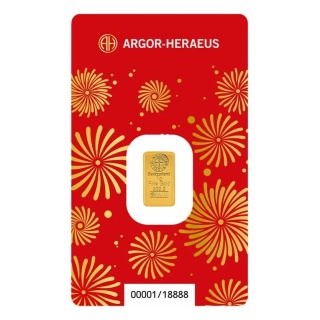
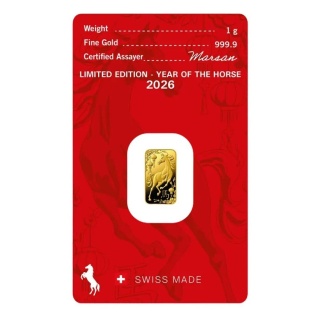
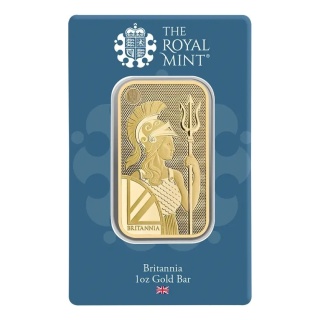
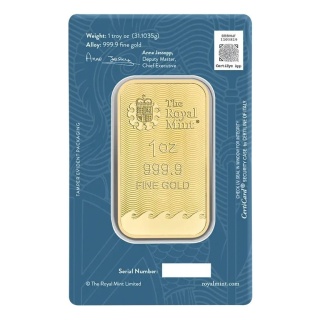
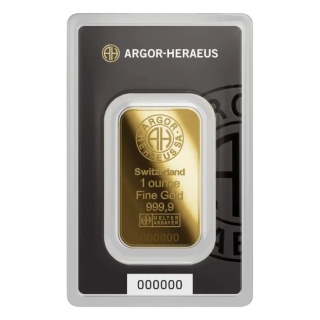
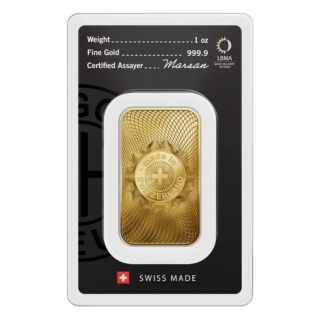
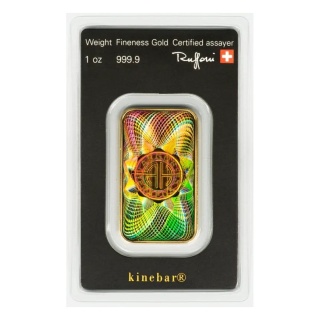
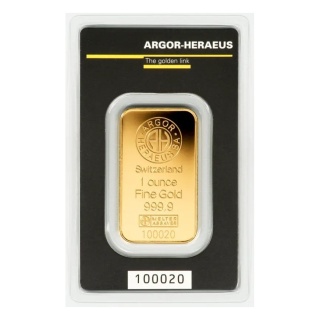
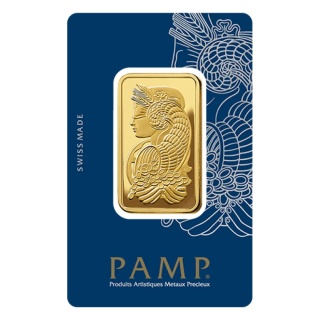
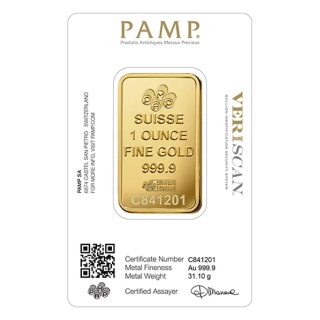
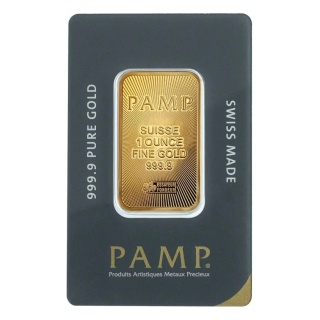
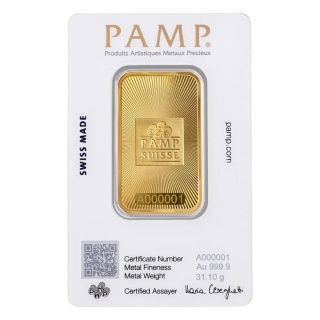
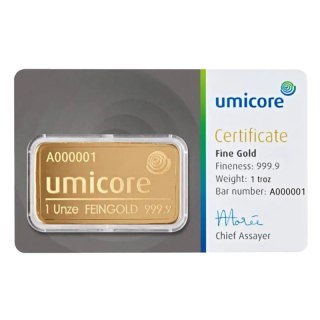
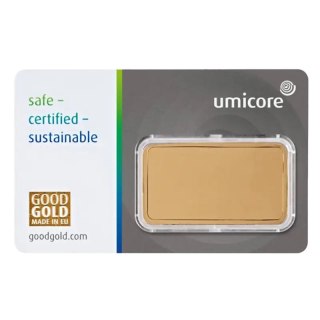
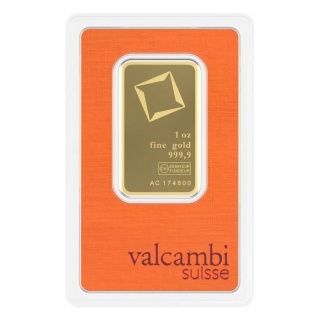
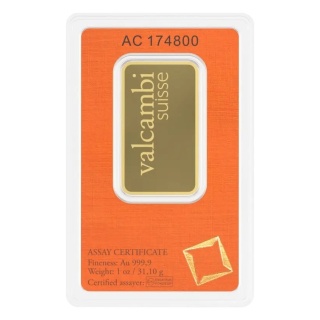
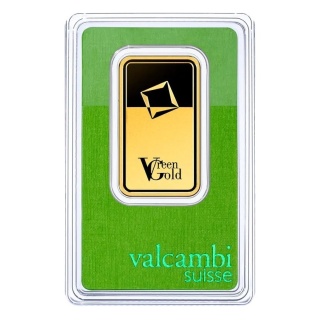
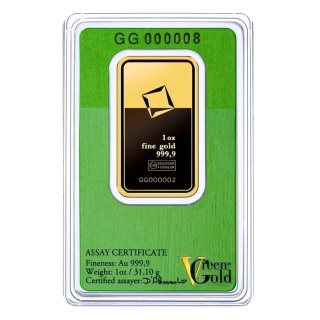
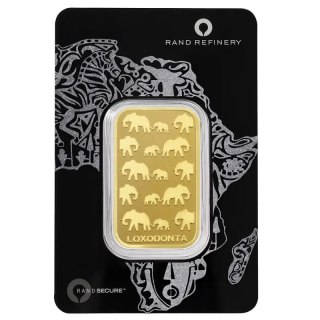
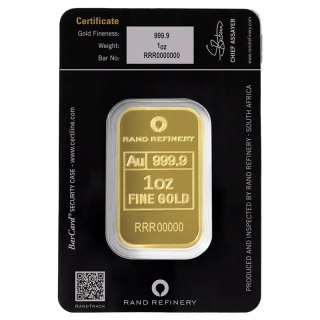
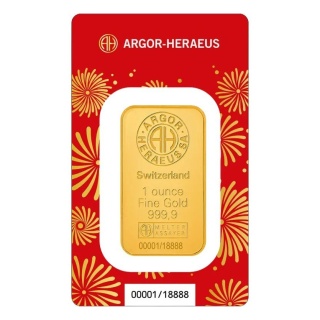
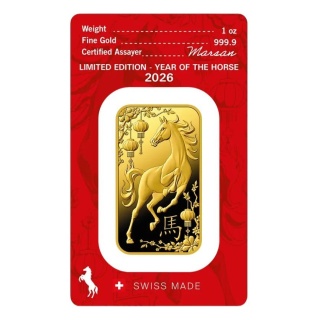
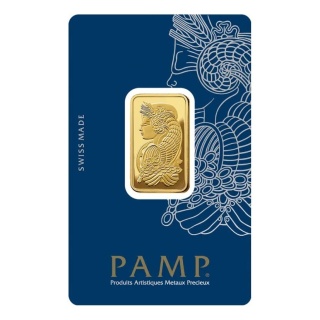
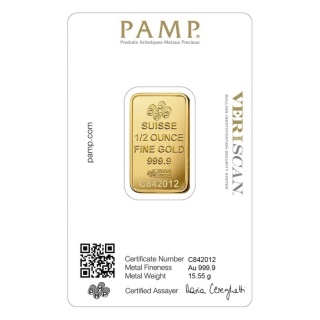
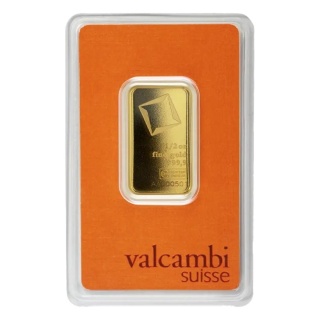
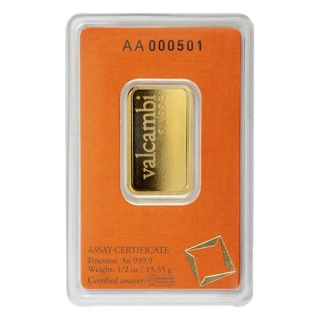
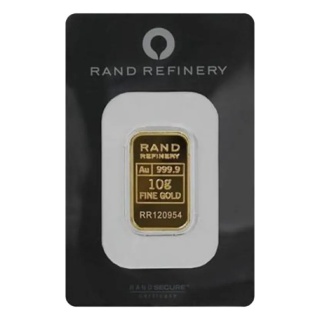
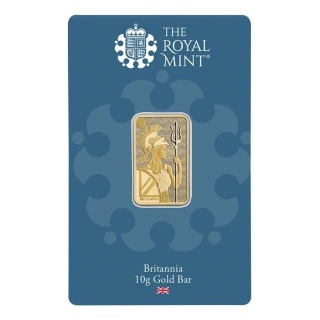
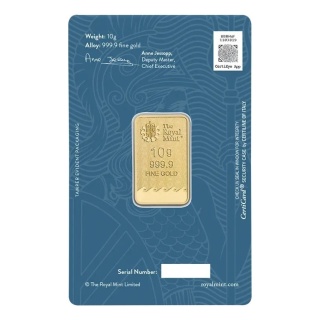
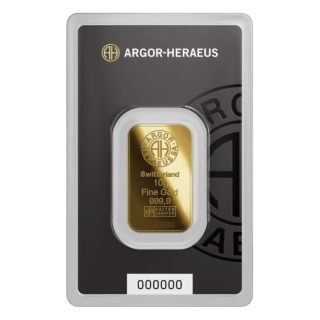
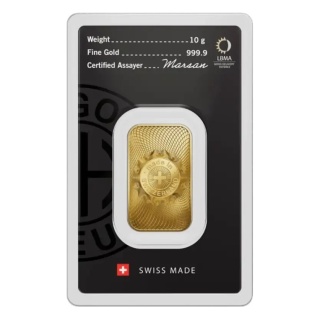
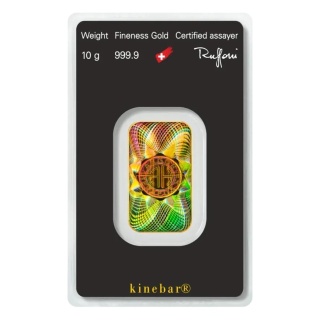
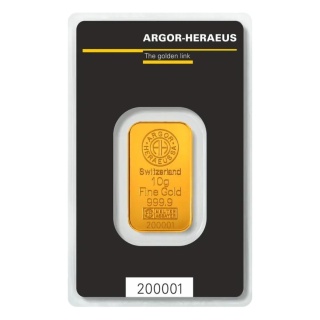
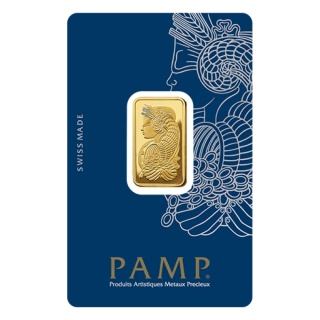
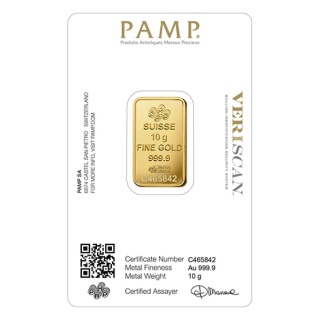
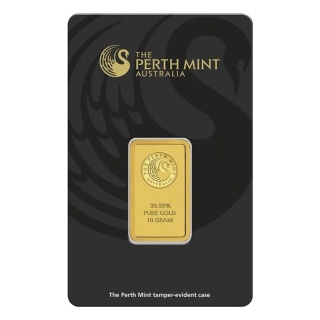
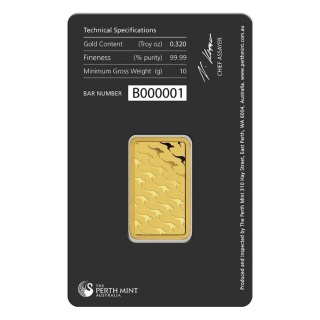
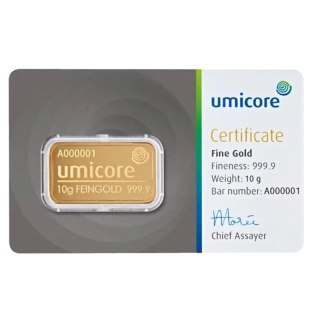
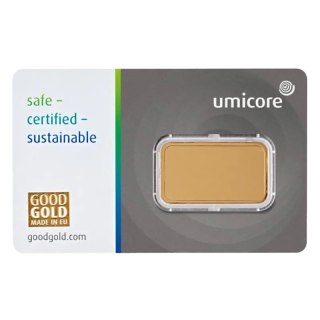
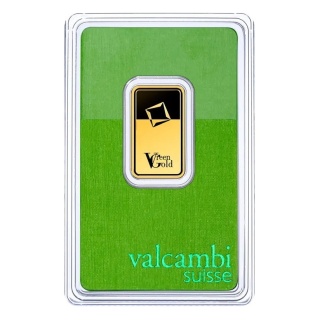
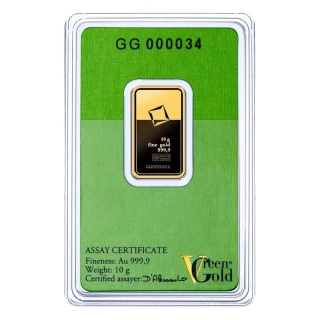
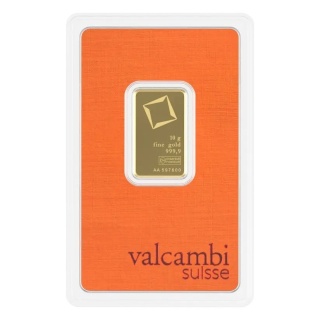
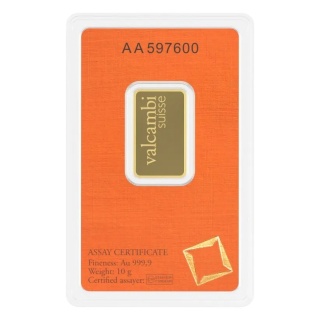
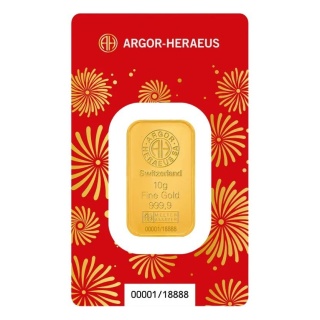
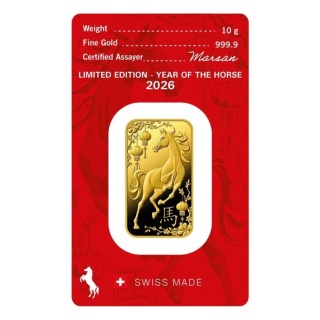
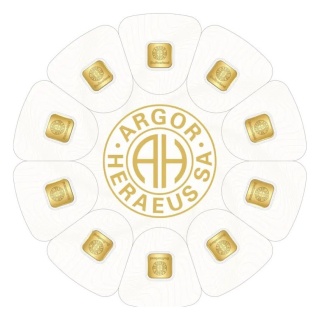
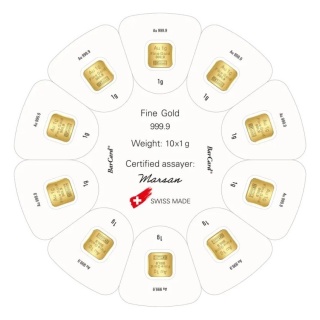
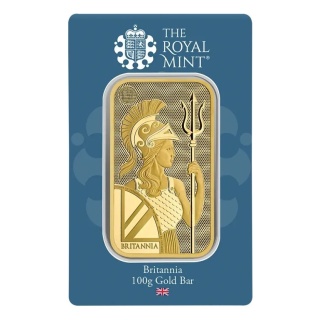
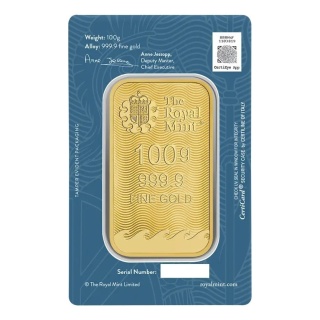
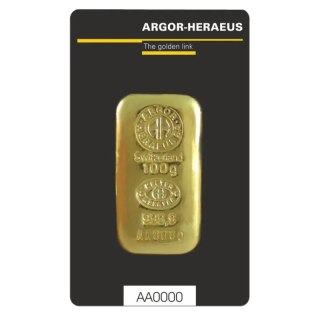
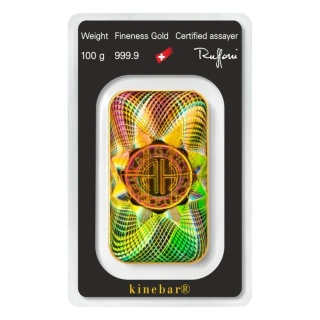
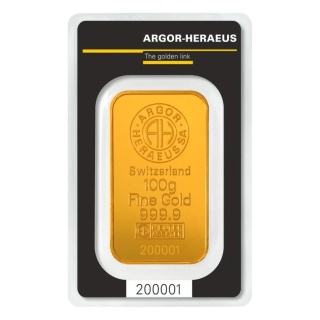
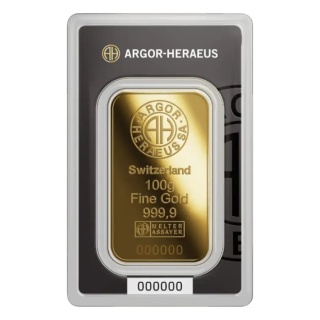
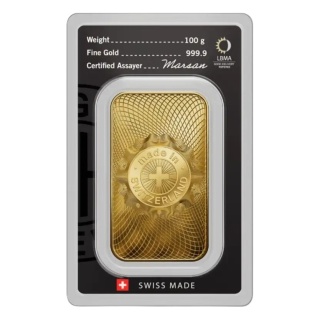
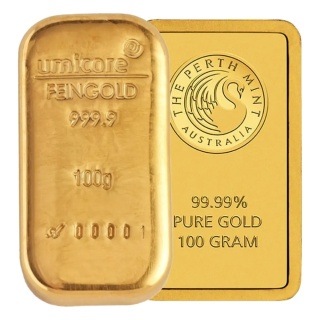
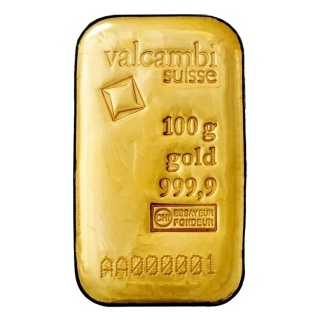
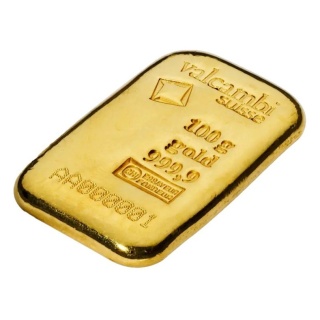
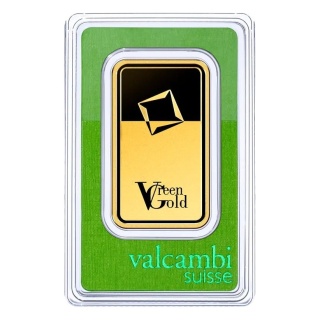
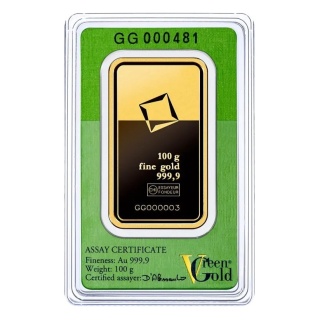
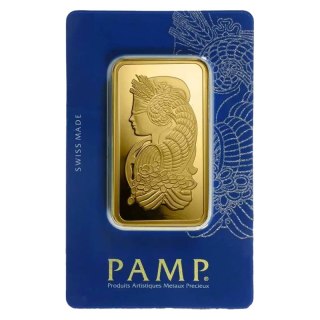
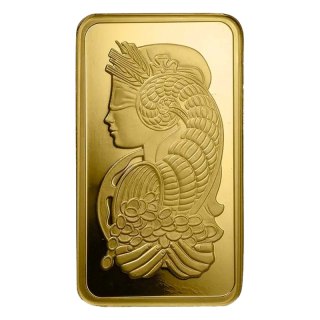
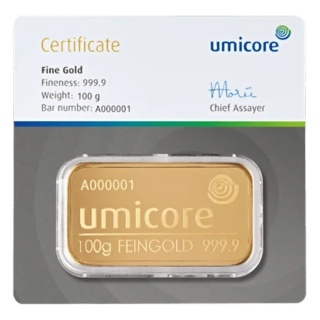
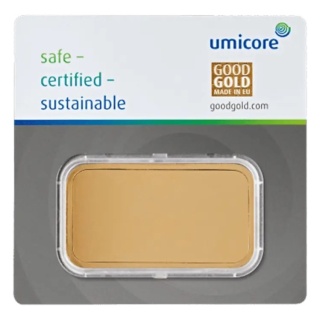
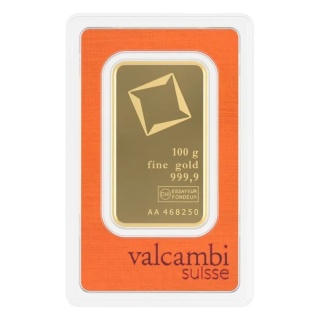
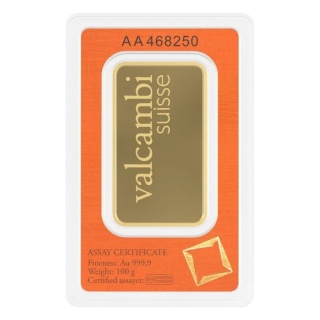
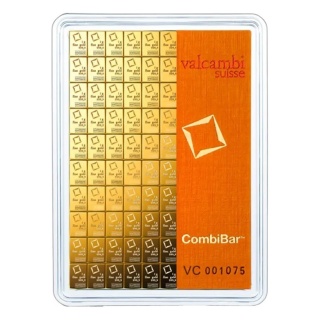
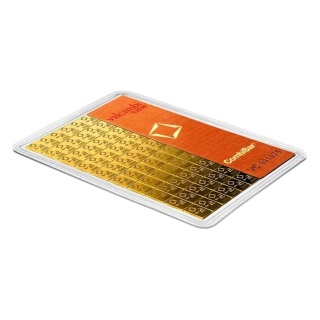
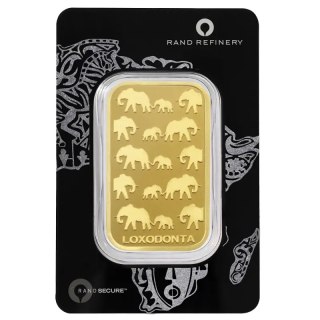
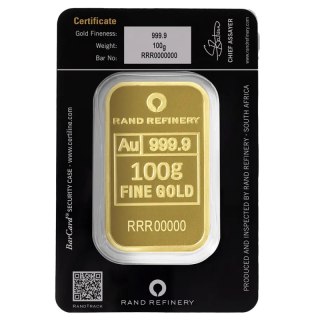
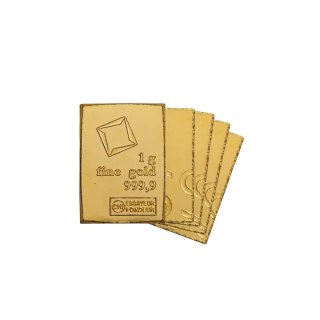
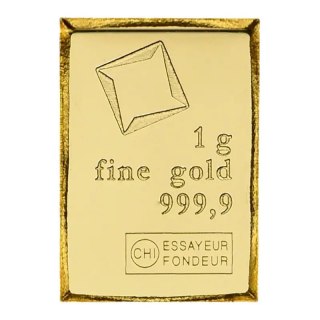
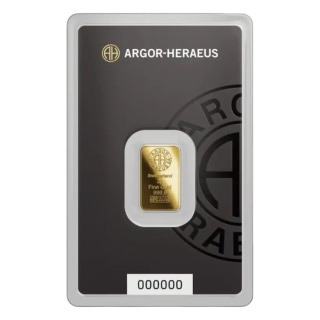
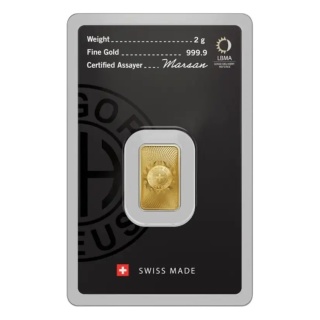
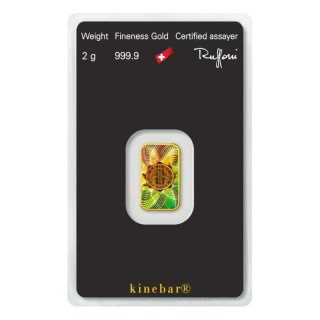
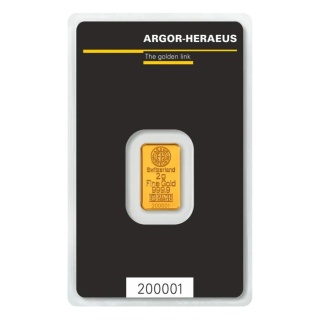
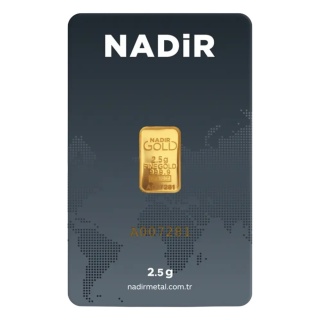
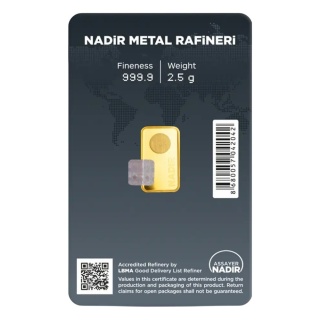
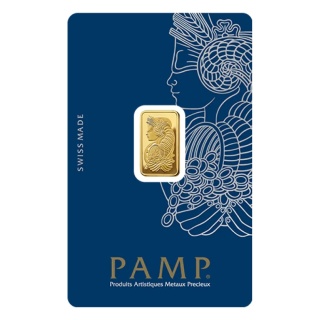
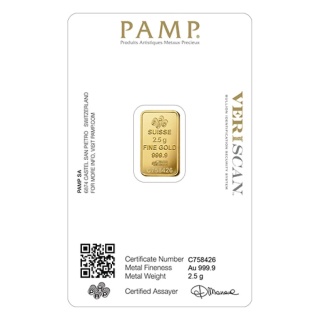
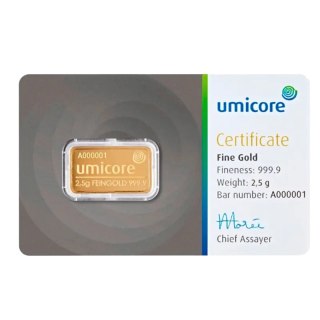
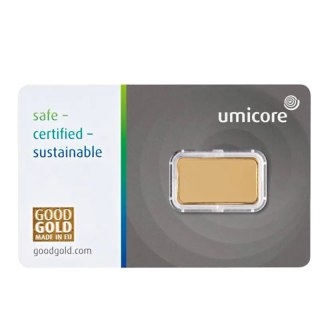
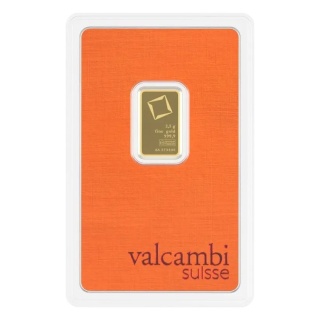
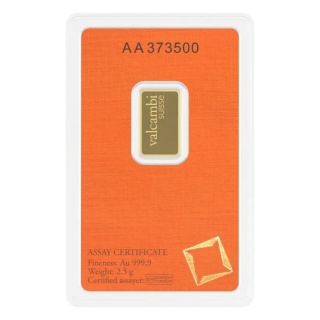
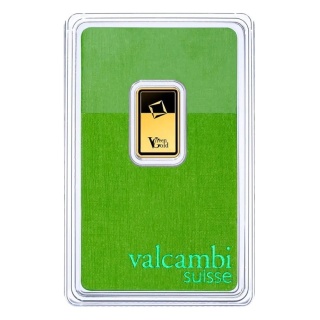
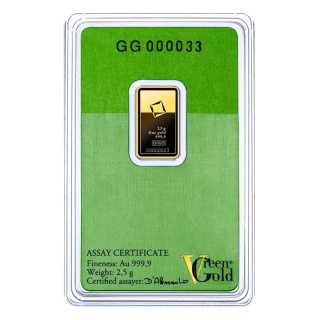

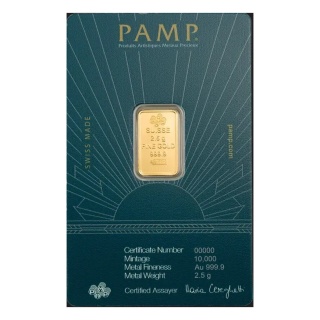
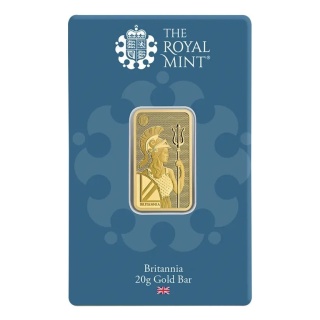
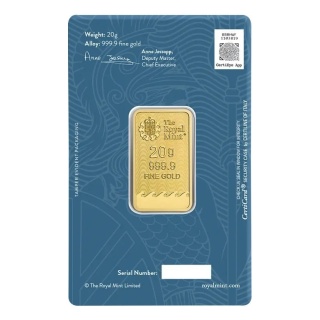
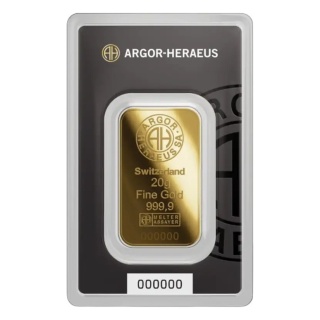
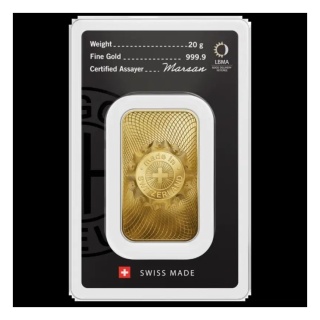
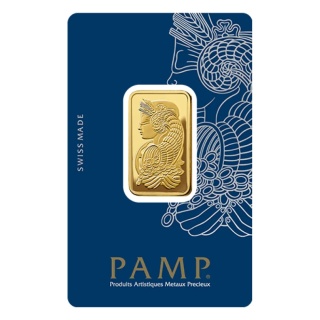
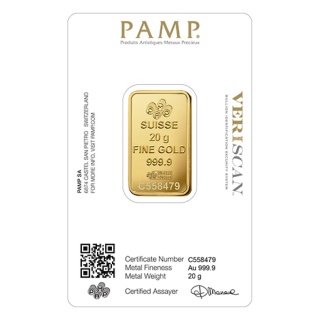
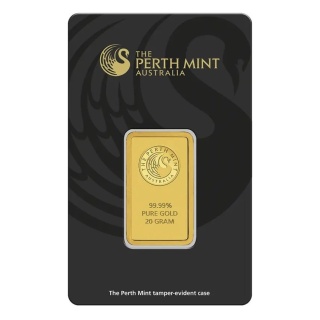
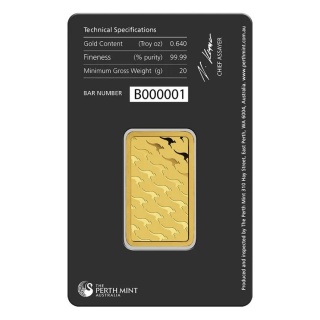
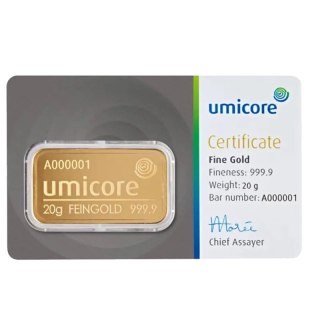
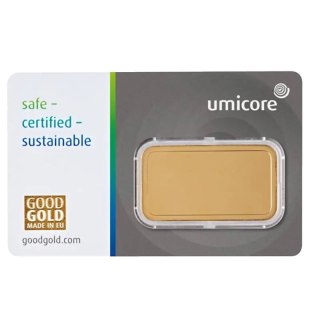
Gold bars by weight
Thirteen weights, each with its own page and current prices. The troy ounce column shows how much gold you actually receive — one troy ounce is 31.1035 g.
| Weight | Troy ounces | Premium per gram | Page |
|---|---|---|---|
| 0.5 g | 0.0161 oz | Highest in range | 0.5 g gold bars |
| 1 g | 0.0322 oz | Very high | 1 g gold bars |
| 2 g | 0.0643 oz | Very high | 2 g gold bars |
| 2.5 g | 0.0804 oz | Very high | 2.5 g gold bars |
| 5 g | 0.1608 oz | High | 5 g gold bars |
| 10 g | 0.3215 oz | Moderate | 10 g gold bars |
| 20 g | 0.6430 oz | Moderate | 20 g gold bars |
| 1 oz (31.1035 g) | 1.0000 oz | Moderate | 1 oz gold bars |
| 50 g | 1.6075 oz | Low | 50 g gold bars |
| 100 g | 3.2151 oz | Low | 100 g gold bars |
| 250 g | 8.0377 oz | Lower | 250 g gold bars |
| 500 g | 16.0754 oz | Lower | 500 g gold bars |
| 1 kg | 32.1507 oz | Lowest in range | 1 kg gold bars |
Cast or minted
Both hold the same gold. They are made differently and priced differently.
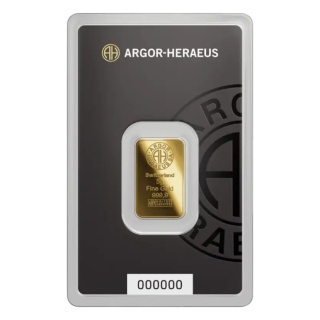
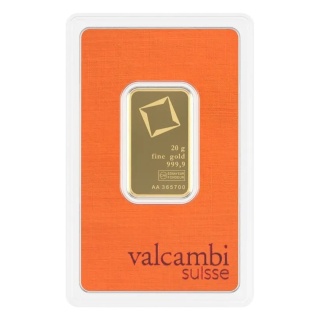
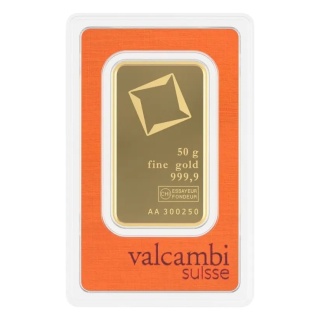
Minted bars are cut from a rolled strip and struck under pressure. The surface is flat and reflective, the edges are square, and the bar arrives sealed in a blister with the serial number printed on an assay card. Every bar up to 100 g in this category is minted.
Cast bars are poured into a mould. The surface is uneven, each bar looks slightly different, and the serial number is stamped rather than printed. Casting is a shorter process, so the premium is lower. Cast bars start to appear at 100 g and dominate at 1 kg.
How to choose a weight
- Divisibility. A bar is sold whole. Two 50 g bars hold the same gold as one 100 g bar and can be sold separately; the 100 g bar cannot be split.
- Cost per gram. The gap is real and large. Production and packaging cost roughly the same for a 1 g bar and a 100 g bar, so on a 1 g bar those fixed costs land on a single gram.
Producers
The bars in this category come from refiners accredited under LBMA Good Delivery, including Argor-Heraeus, PAMP Suisse, Valcambi, Umicore, C.Hafner, Heraeus, Metalor and Rand Refinery, alongside The Royal Mint, Perth Mint and Münze Österreich. The producer is named on every product page and stock changes with each delivery.
Accreditation belongs to the refinery, not to the individual bar. It confirms the refinery meets the London Bullion Market Association standard for assaying and fineness and is listed on the Good Delivery List. No certificate is issued by the LBMA for a single retail bar.
Security features worth knowing
Several producers add a verification layer beyond the serial number.
- Kinebar and Kinegram (Argor-Heraeus) — a diffraction hologram rolled into the reverse of the bar, visible as a shifting image when the bar is tilted.
- Veriscan (PAMP Suisse) — a high-resolution scan of the bar surface held on file, allowing the individual bar to be matched later against its own microstructure.
- Certificate card (Perth Mint) — a laminated card carrying the serial number, checkable against the mint records.
What to check before you order
The seal. A minted bar and its assay card form one unit. Opening the blister separates the bar from its documented serial number, and most dealers will then test the bar on intake rather than accept it on sight. Nothing is lost in metal terms, but the transaction takes longer.
Related categories
Compare bars with gold coins, which carry a higher premium per gram but are legal tender and instantly recognised. For the same format in silver, see silver bars. We also buy gold back.
Tax status
Gold bullion is exempt from VAT throughout the European Union under Council Directive 2006/112/EC, Articles 344–346. The exemption covers bars of a fineness of at least 995 thousandths and gold coins of at least 900 thousandths minted after 1800 that are, or have been, legal tender in their country of origin. GoldInvest24 is operated by a Polish company and applies that exemption, so the price shown is the price you pay. This describes how we invoice and is not tax advice — rules in your own country may differ.
Gold bars — frequently asked questions
How much gold is in a 100 g gold bar?
A 100 g bar at 999.9 fineness holds 99.99 g of pure gold, which is 3.2151 troy ounces. The remaining 0.01 g is trace metal left by refining.
What is the difference between cast and minted gold bars?
Minted bars are struck from a rolled strip, have a flat reflective surface and square edges, and arrive sealed with an assay card. Cast bars are poured into a mould, have an uneven surface and a stamped serial number, and carry a lower premium. Both are 999.9 fine.
Which gold bar weight costs least per gram?
The heaviest one you buy. Production and packaging cost roughly the same regardless of weight, so those fixed costs spread across 100 g give a far lower cost per gram than the same costs spread across 1 g.
Should I keep the bar sealed in its blister?
Keeping it sealed makes resale quicker. The blister ties the bar to the serial number on its assay card, so a dealer can identify it without testing. An opened bar holds exactly the same gold but is normally weighed and checked before a price is quoted.
What does LBMA Good Delivery accreditation mean?
It means the refinery meets the London Bullion Market Association standard for assaying, fineness and production consistency and appears on the Good Delivery List. The accreditation applies to the refinery, not to an individual bar, and the LBMA issues no certificate for retail bars.
How many grams is one troy ounce of gold?
One troy ounce is 31.1034768 g, rounded to 31.1035 g in trade. It is not the same as the everyday ounce of 28.35 g. A 1 kg bar therefore holds 32.1507 troy ounces.
Gold bars sit inside the wider investment gold range alongside gold coins.
Popular in this category
1 oz Gold Bar | Valcambi · 100 g Gold Bar | Argor-Heraeus | Cast · 1 g Gold Bar | Argor-Heraeus