Who are precious metals for?
Precious metals are chosen by individuals seeking to protect their wealth against inflation and currency devaluation, those building a long-term portfolio based on physical assets, beginners entering the bullion market (e.g. with a 1 oz silver coin), and those diversifying their wealth outside the traditional financial system. Gold and silver in the form of coins and bars are assets independent of the banking system — they carry no counterparty risk and can be stored independently.
Gold bullion coins
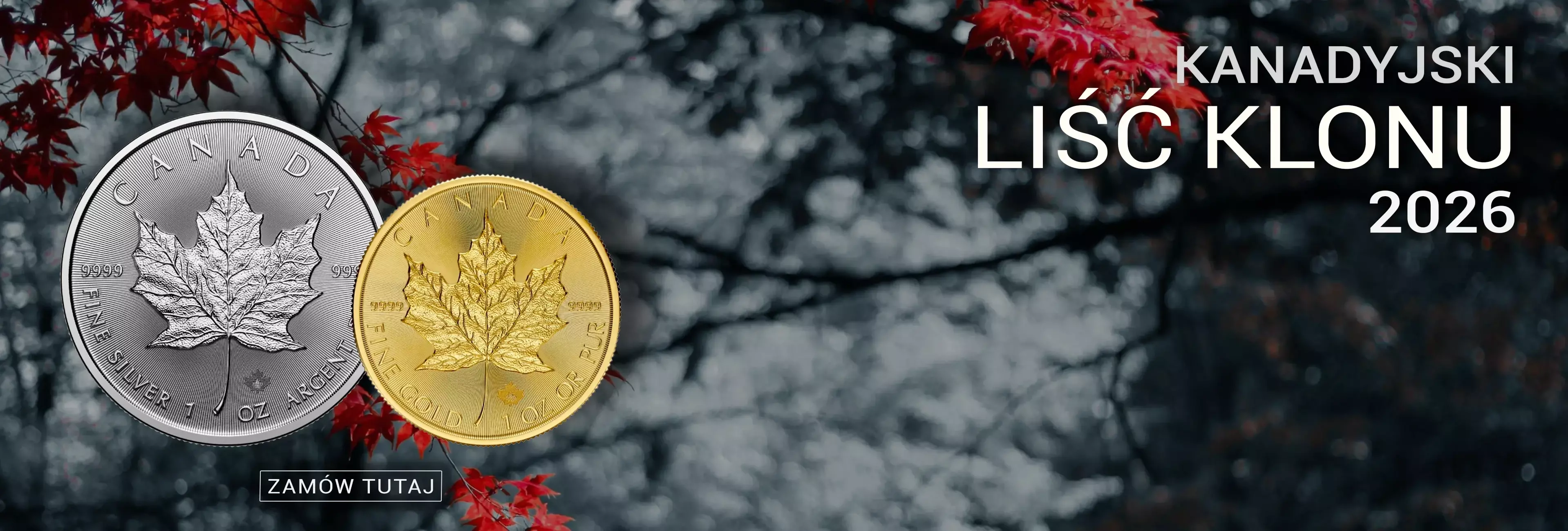
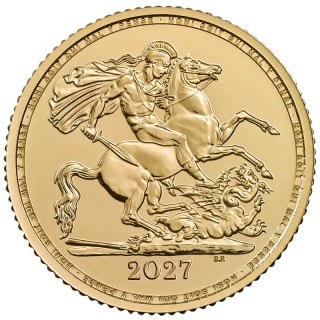
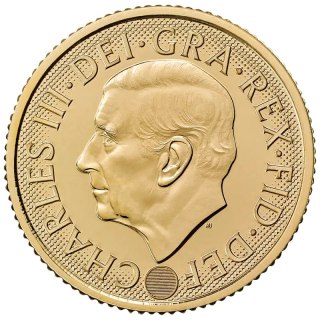
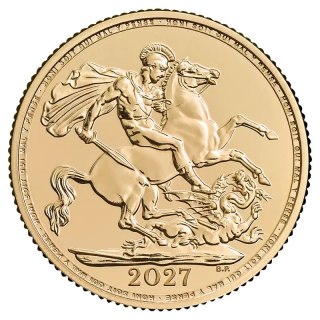
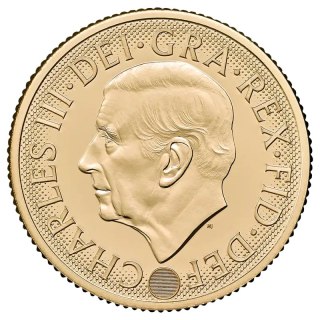
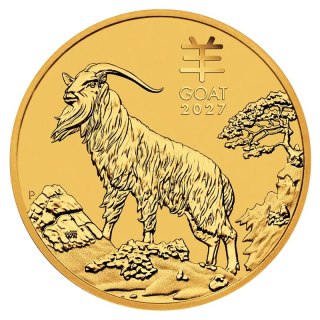
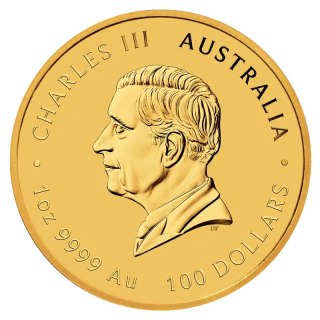
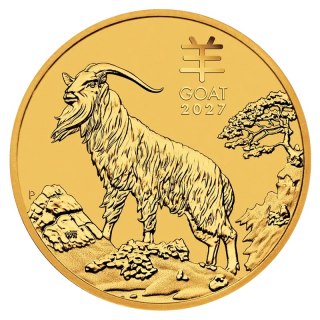
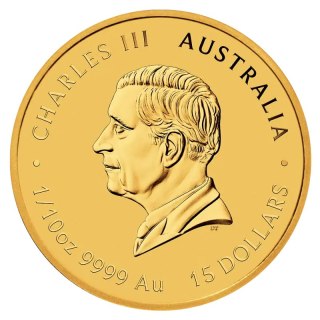
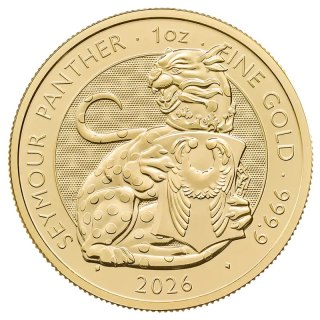
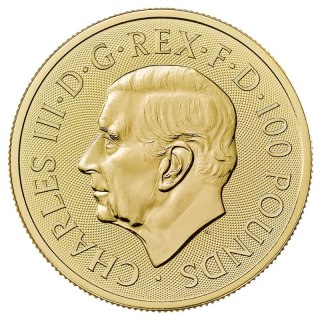
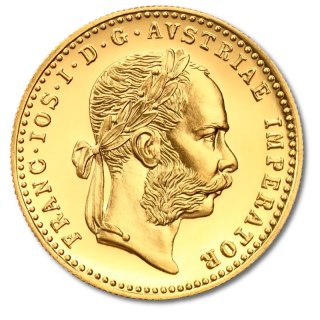
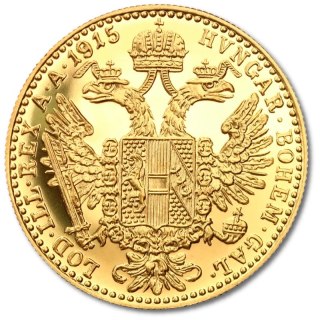
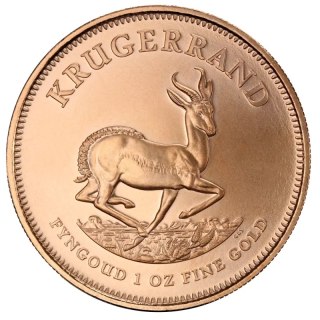
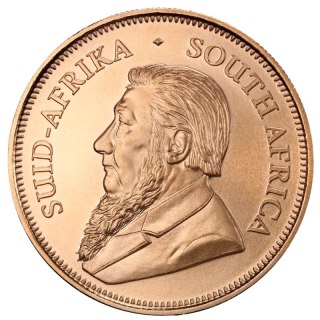
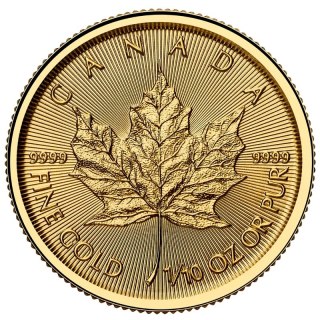
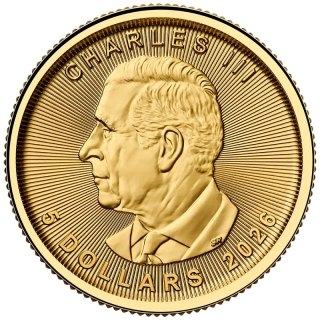
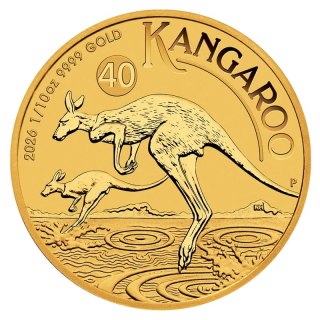
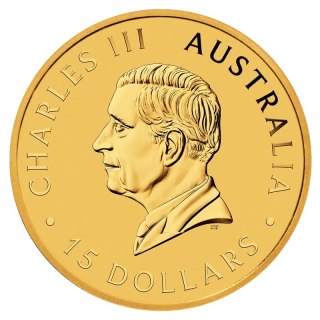
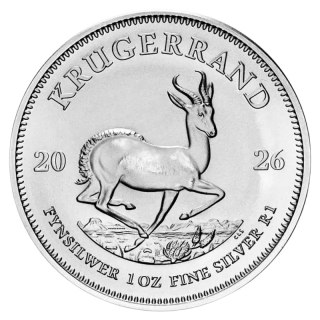
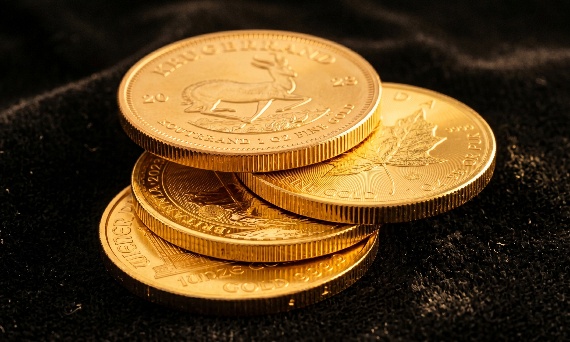
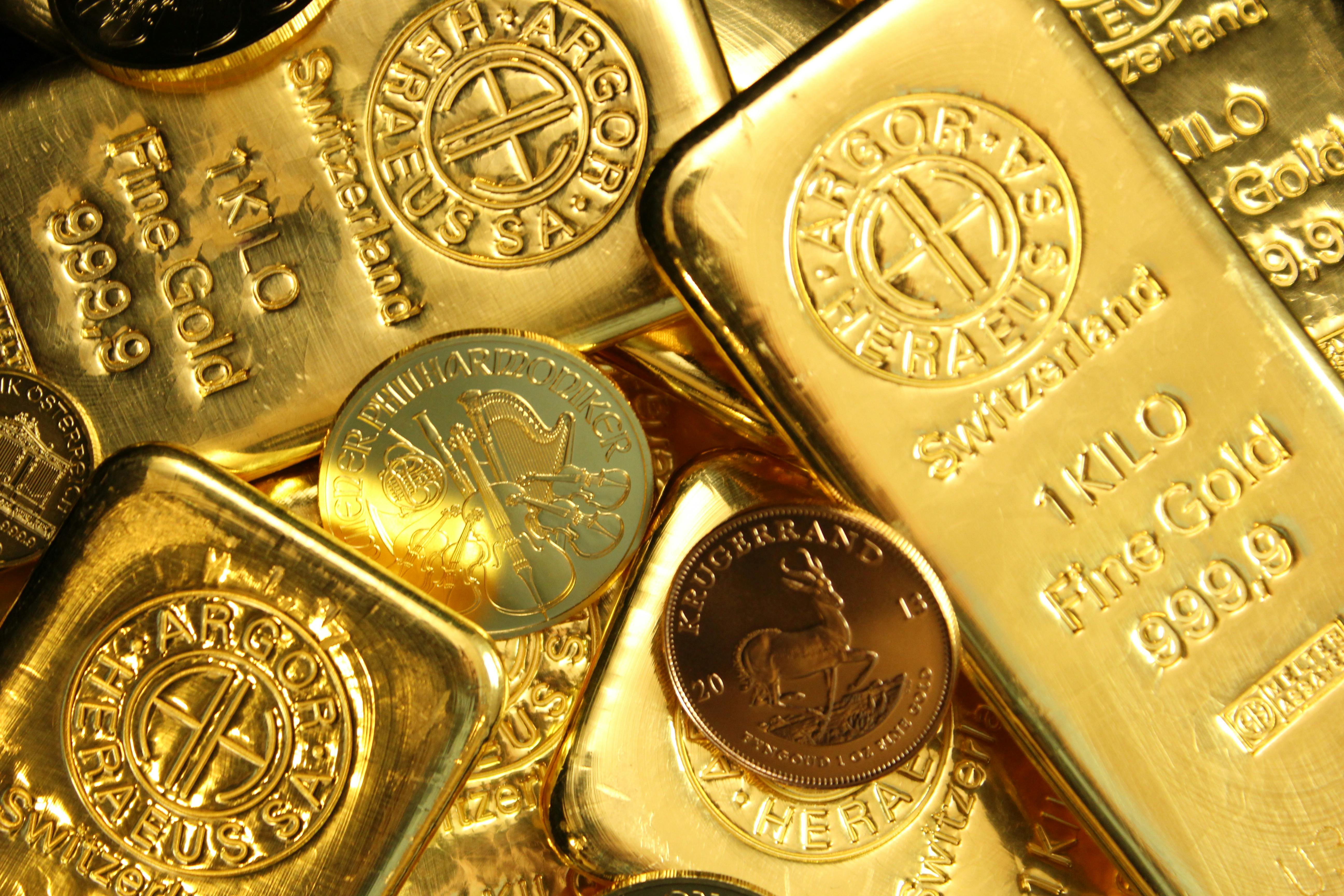
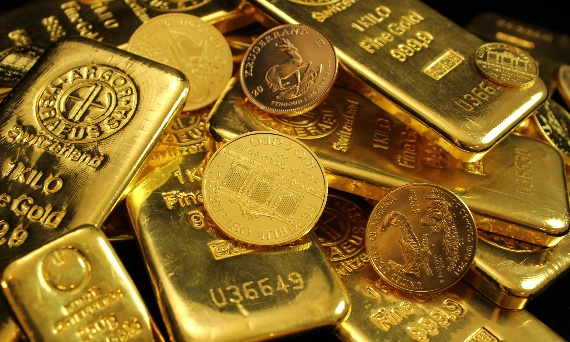
The world's most recognised gold bullion coins — Krugerrand (South Africa, since 1967), Maple Leaf (Canada, 999.9), Britannia (United Kingdom, since 1987), Vienna Philharmonic (Austria, 999.9), American Eagle (USA, 916.7), Australian Kangaroo (Australia, 999.9) and Chinese Gold Panda (China, 999) — are known for high liquidity and global recognition. Each series has unique characteristics: from annually changing designs (Panda) to advanced security features (Britannia) and over 200 years of tradition (Sovereign).
View gold bullion coins
Gold bars
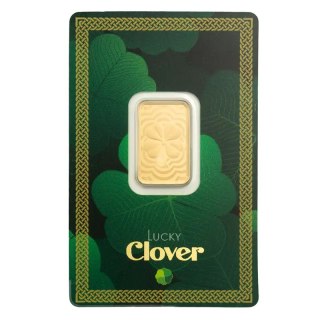
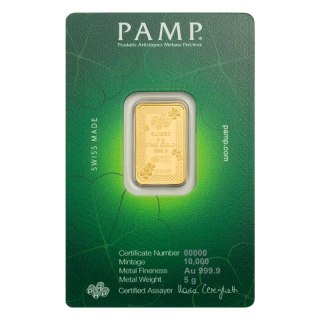
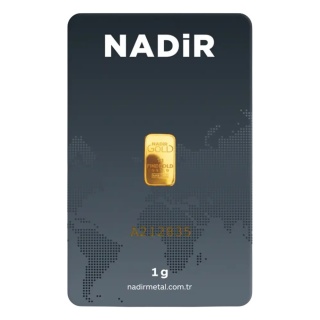
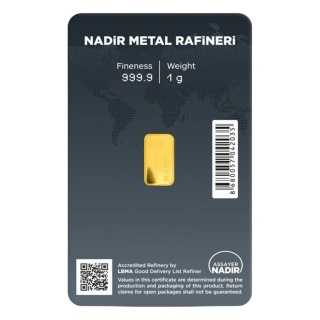
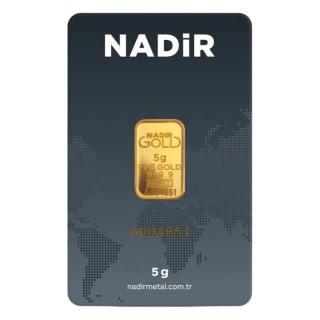
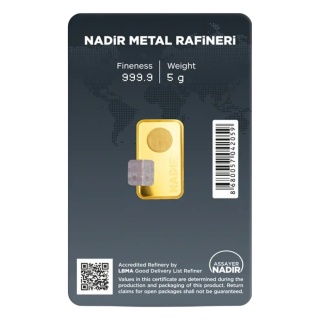
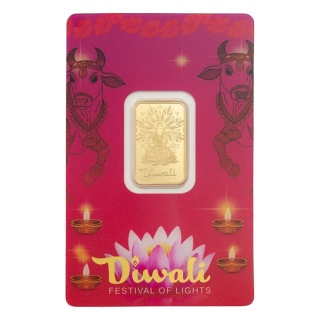
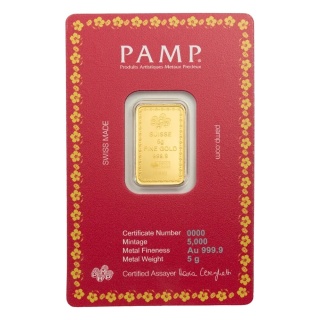
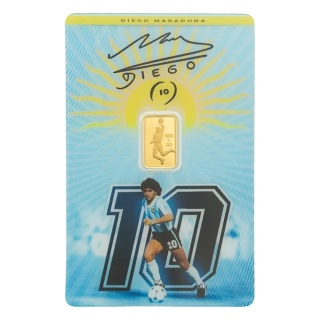
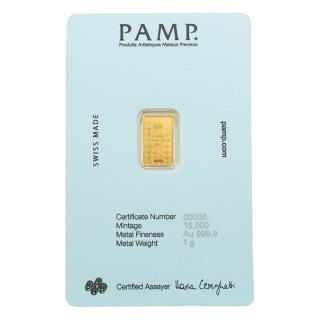
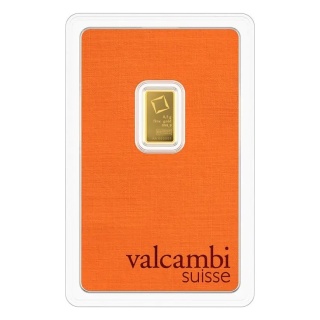
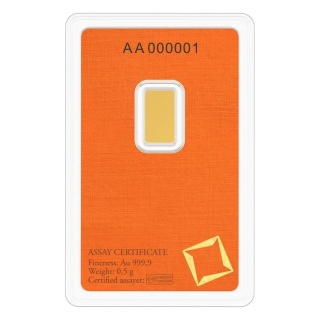
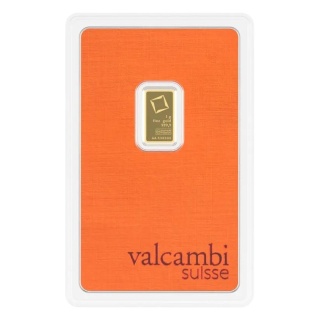
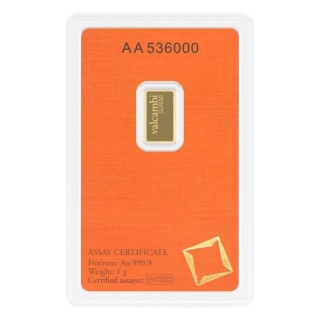
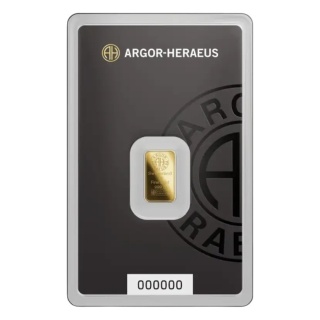
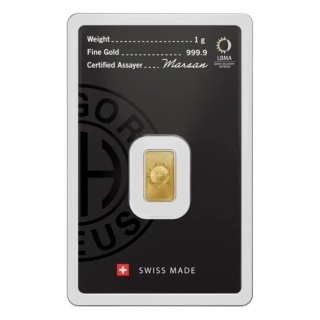
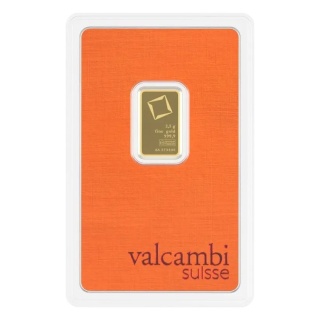
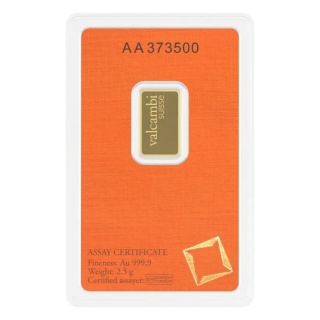
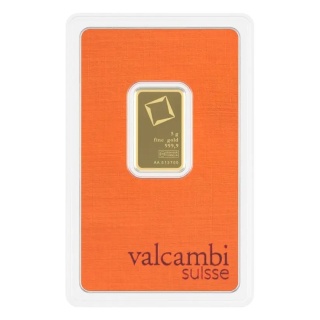
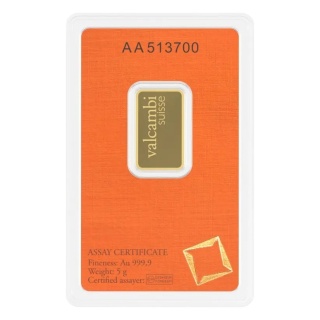
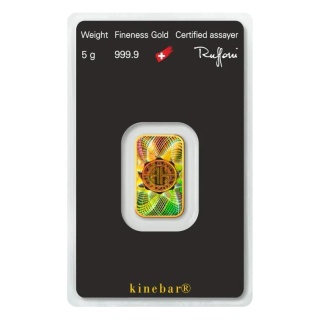
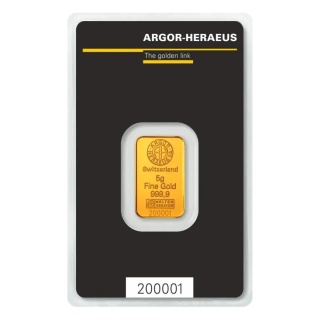
Gold bars from 1 g to 1 kg allow precise adjustment of purchase size to budget. Manufacturers such as Argor-Heraeus, PAMP Suisse, Valcambi, Umicore and C.Hafner employ advanced security technologies — CertiPAMP, Veriscan, KineGram — guaranteeing the authenticity of every bar. All products carry a quality certificate and individual serial number.
View gold bars
Silver bullion coins
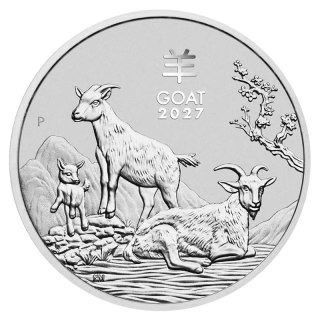
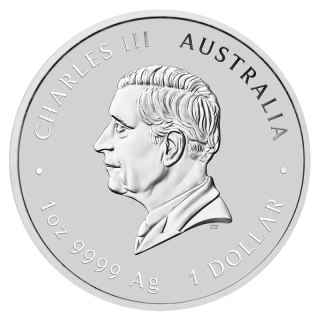
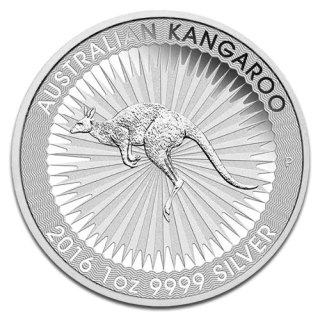
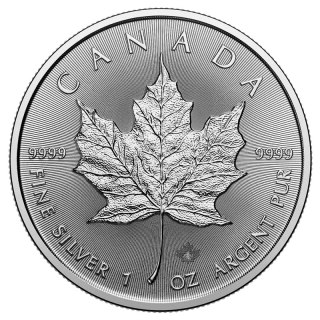
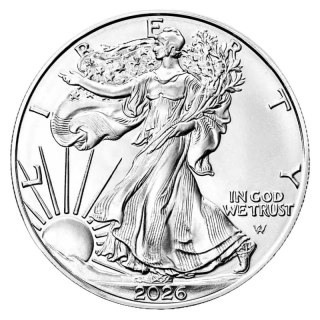
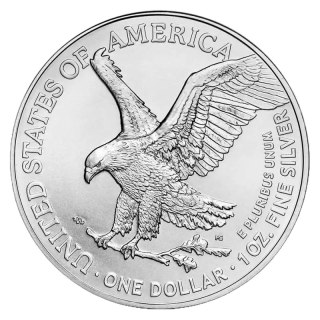
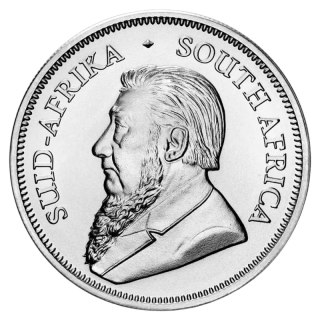
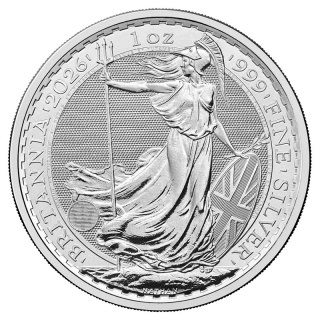
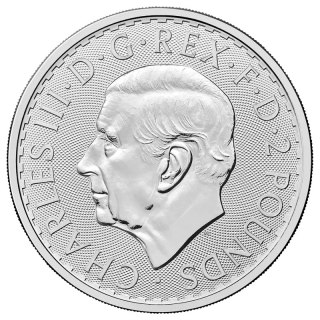
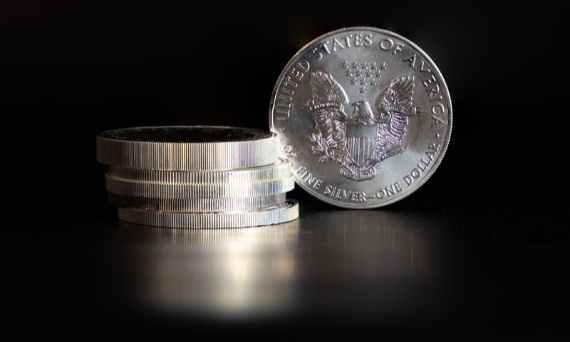
Silver bullion coins of 1 oz (31.1 g) are a popular choice on the precious metals market. Series such as Silver Maple Leaf, Silver Britannia, Silver Eagle and Kookaburra offer high liquidity and international recognition. A fineness of 999.9 (Maple Leaf, Britannia) or 999 (Eagle, Kookaburra) guarantees the highest purity of the metal.
View silver bullion coins
Silver bars
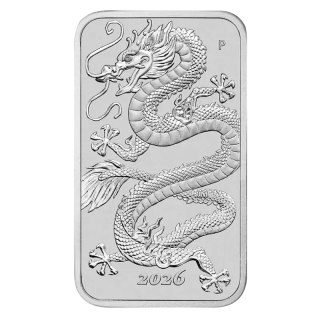
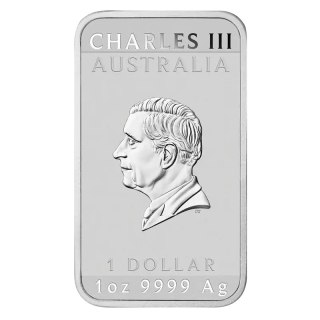
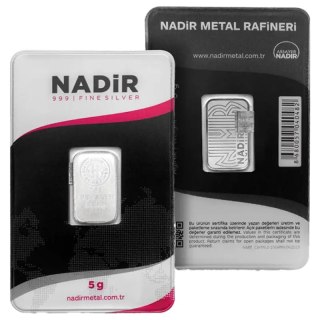
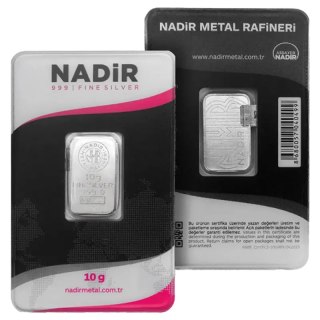
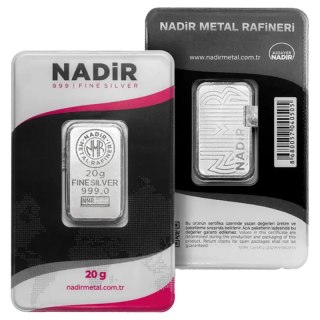
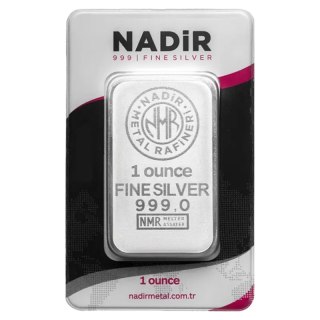
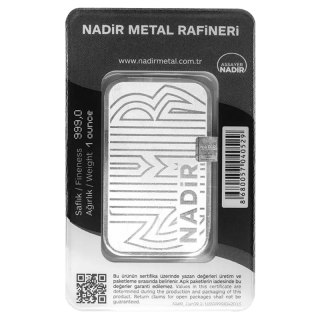
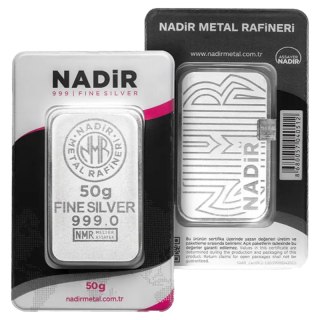
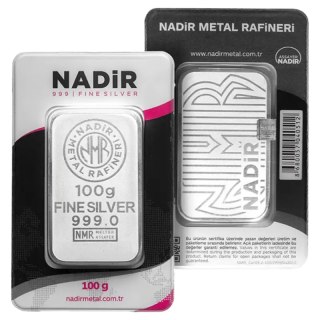
Silver bars from 1 oz to 1 kg enable efficient building of silver exposure. LBMA-accredited manufacturers — Argor-Heraeus, PAMP, Umicore, Heimerle+Meule — ensure the highest quality standards and easy resale on the secondary market.
View silver bars
Gold or silver — which to choose?
Gold is more price-stable and represents the traditional cornerstone of wealth preservation — the troy ounce of gold (31.1035 g) is the global valuation standard. Silver offers a lower entry threshold and higher price volatility. The gold/silver ratio historically fluctuates between 40:1 and 90:1, providing a way to assess the relative valuation of both metals. In practice, many buyers combine both metals in a single portfolio.
Platinum and palladium
Platinum and palladium are rare metals of significant industrial importance (automotive, electronics, jewellery), whose prices depend on both demand from physical bullion buyers and industrial requirements. Annual platinum production amounts to only around 190 tonnes (compared to approximately 3,500 tonnes of gold), making it one of the rarest metals on Earth.
View platinum and palladium
Current gold and silver prices
Monitor the latest gold prices, silver prices and platinum and palladium quotes to stay informed about the precious metals market. Spot prices updated in real time based on international market data and LBMA quotations.
Precious metals prices
Why GoldInvest24?
- Exclusively products from LBMA Good Delivery accredited mints
- Secure and insured delivery within Poland and the EU
- Current prices based on spot quotations
- Full authenticity guarantee for every product
- Professional support and guidance in product selection
FAQ — Frequently asked questions about precious metals
What are bullion precious metals?
Bullion precious metals are gold, silver, platinum and palladium in the form of coins and bars with standardised fineness and weight, produced by accredited mints. Their value derives directly from the precious metal content, not from numismatic or collectible value.
Is investment gold VAT-exempt?
Yes — investment gold (coins and bars with a fineness of at least 995/1000) is exempt from VAT throughout the European Union under Directive 2006/112/EC. Silver, platinum and palladium are subject to standard VAT rates (23% in Poland).
What is a troy ounce?
The troy ounce is the unit of mass used in the precious metals market, equal to 31.1035 g. It differs from the avoirdupois ounce (28.35 g) used in everyday life. Spot prices for gold and silver are quoted per troy ounce.
What is the difference between 999.9 and 916.7 fineness?
A fineness of 999.9 (four nines) means virtually pure gold — used in Maple Leaf, Vienna Philharmonic and Australian Kangaroo among others. A fineness of 916.7 (22 carat, Crown Gold) is a gold alloy with copper and silver, used in Krugerrand, American Eagle and Sovereign — the coins are harder and more resistant to mechanical damage, while the fine gold content remains the same (e.g. a 1 oz Krugerrand contains exactly 1 troy ounce of pure gold at a total weight of 33.93 g).
What is LBMA accreditation?
The LBMA (London Bullion Market Association) is the organisation overseeing the global precious metals market, headquartered in London. LBMA Good Delivery status means that a mint or refinery meets the highest standards of quality, fineness and weight — products with this accreditation are accepted at all major exchanges and by dealers worldwide.
Where can I check the current gold price?
Current quotes for gold, silver, platinum and palladium are available on the Precious metals prices page at GoldInvest24. Spot prices are updated in real time based on international market data and LBMA quotations.
Do investors hold gold and silver together?
Combining gold and silver in a single portfolio is common practice in the precious metals market. Gold provides stability and wealth preservation, while silver offers a lower entry threshold and higher price volatility. The gold/silver ratio allows assessment of the relative attractiveness of both metals at any given market moment.
![[{[item.product.name]}]]([{[item.product.photo.url]}] 75w)