![[{[item.product.name]}]]([{[item.product.photo.url]}] 75w)
For free delivery are missing -,--
Order Summary
Sum 0,00 £
Price includes discounts

Historic Gold Coins
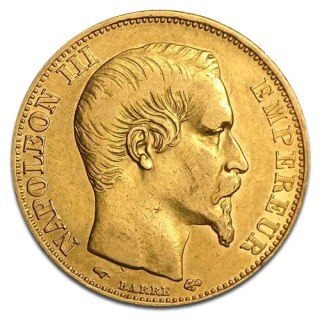
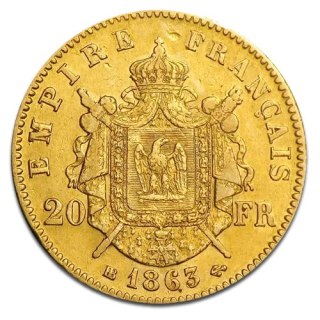
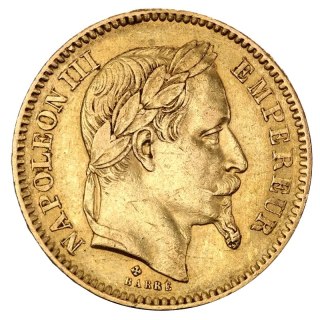
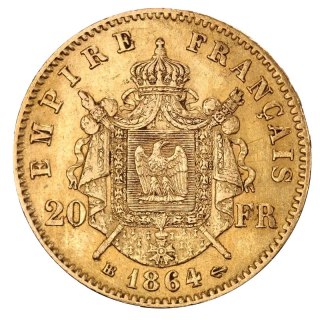
Number of products: 28Historic gold coins were money before they were bullion, and it shows in the specification. Almost all of them are 900 fine — nine parts gold, one part copper — because that is what a coin needed to survive circulation. Their gold content follows the old coinage standards rather than round bullion weights.
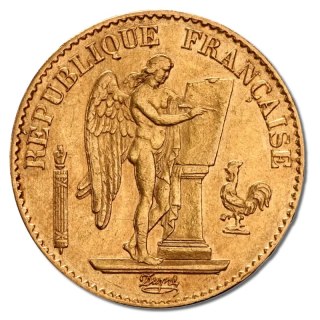
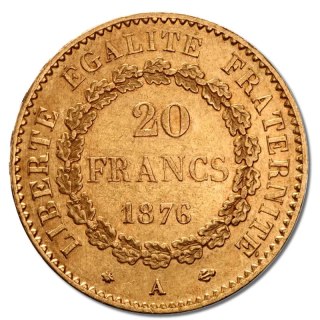
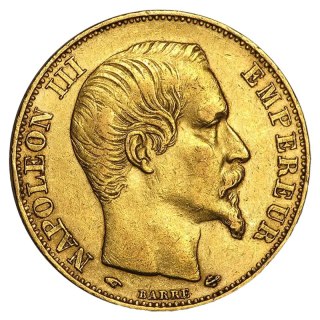
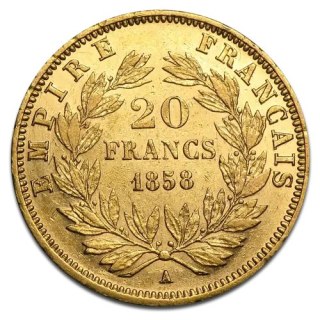
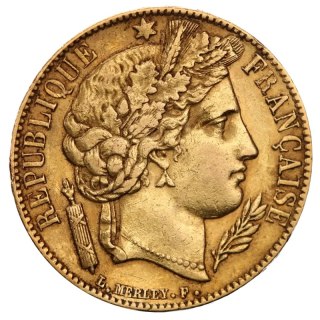
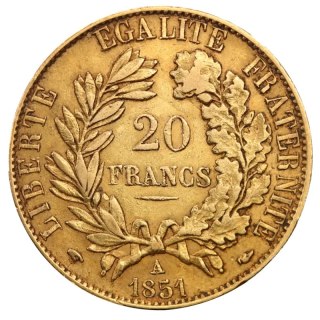
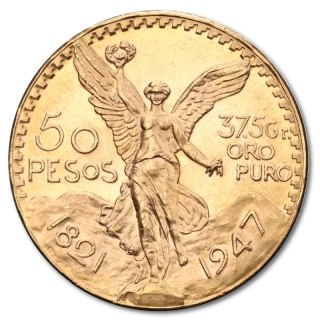
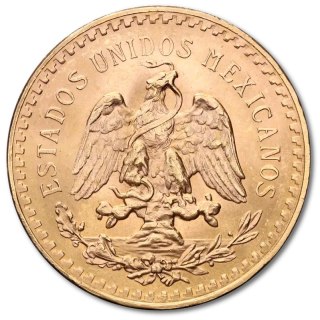
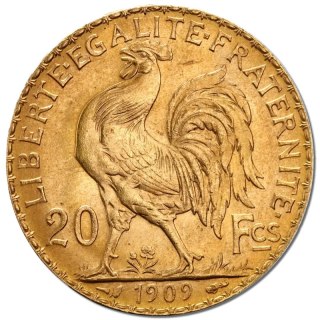
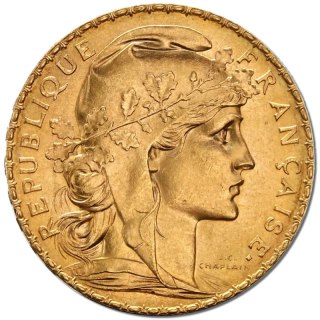
A French 20 franc piece holds 5.807 g. A Mexican 50 pesos holds 37.5 g. Pricing them means knowing the fine content, not the face value or the gross weight.
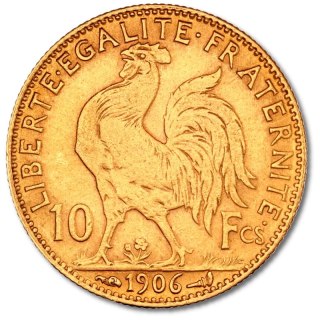
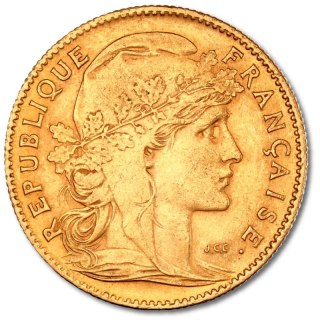
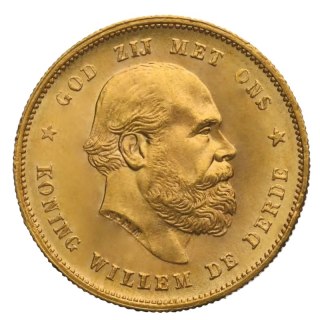
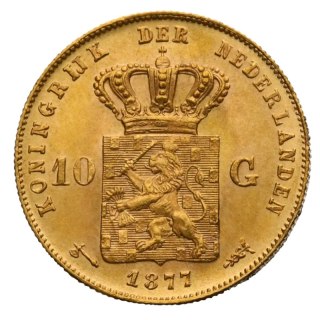
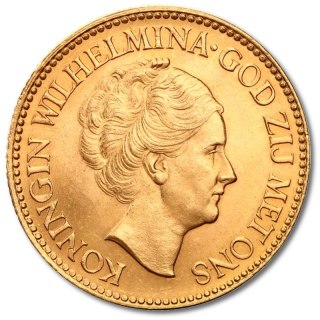
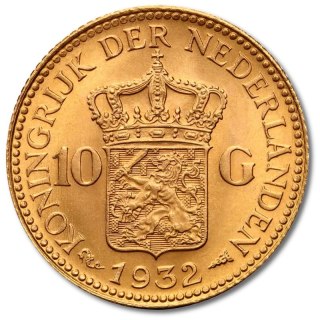


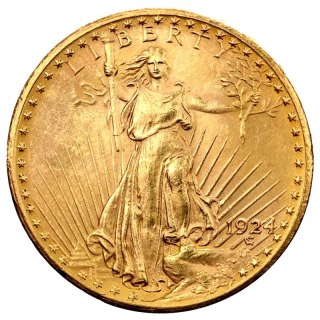
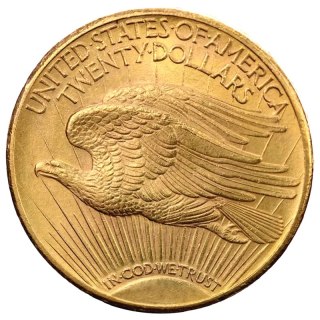
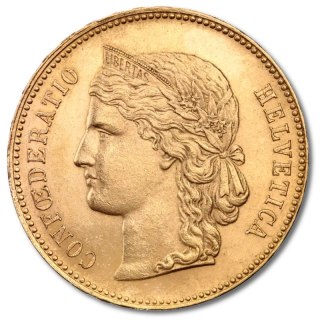
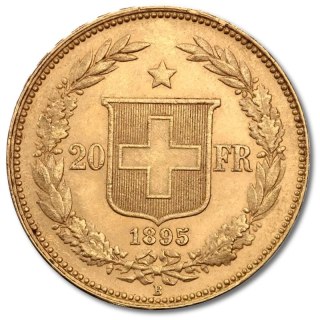
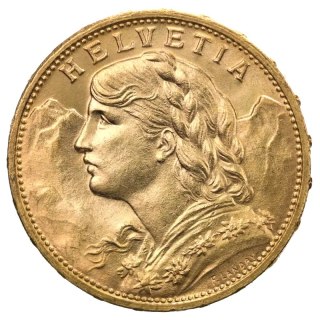
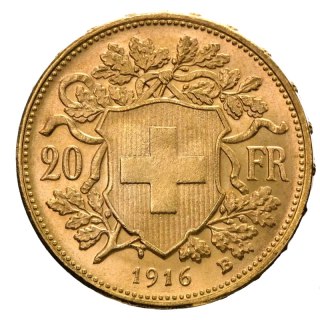
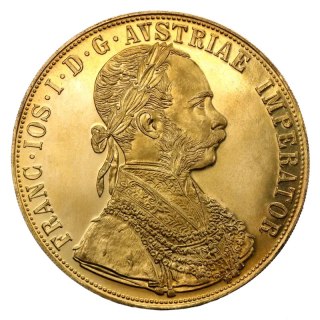
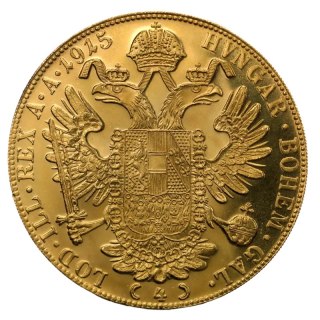
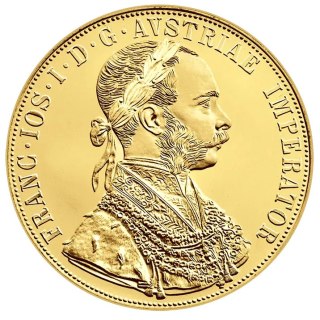
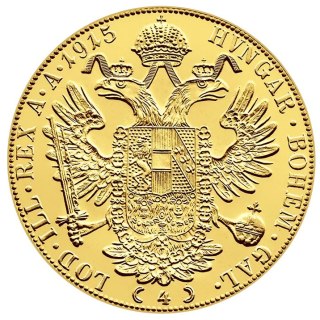

What these coins actually contain
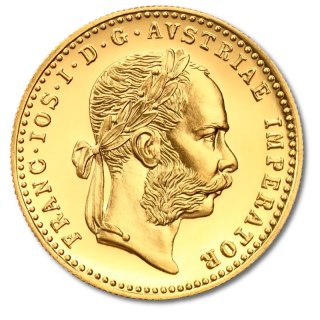
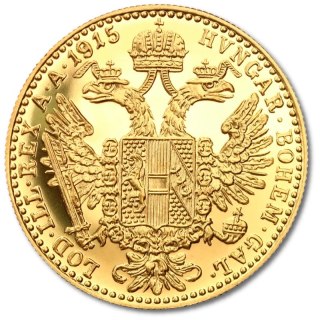
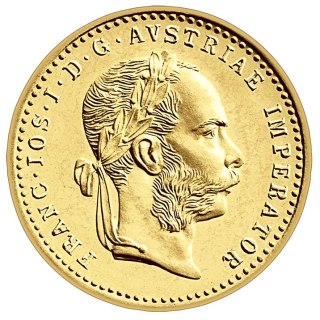
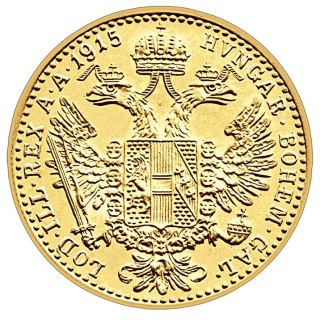
Figures below are the historical standards. Individual coins vary with wear, which on a circulated piece can be a measurable fraction of the gold. Austrian 100 corona and Dutch ducat coins also appear in this category; we do not publish specification figures for them, because we have not verified them against an issuer source.
| Coin | Gross weight | Fine gold | Fineness | Years |
|---|---|---|---|---|
| France, 20 francs | 6.45 g | 5.807 g | 900 | from 1803, several types to 1914 |
| Germany, 20 marks | 7.965 g | 7.169 g | 900 | to 1915 |
| Germany, 10 marks | 3.983 g | 3.584 g | 900 | to 1915 |
| USA, 20 dollars, Liberty Head type | 33.44 g | 30.09 g | 900 | 1849–1907 |
| USA, 20 dollars, Saint-Gaudens type | 33.44 g | 30.09 g | 900 | 1907–1933 |
| Mexico, 50 pesos | 41.67 g | 37.50 g | 900 | 1921–1931 and 1943–1947, restruck later |
Why 900 rather than 999.9
These were circulating coins. A piece passing hand to hand for decades had to resist wear, and 900 fine gold with copper does that far better than fine gold. The modern equivalents of that logic are the 916.7 coins — the Sovereign and the Krugerrand — which kept the alloy after the circulation reason had gone.
The gap is large enough to matter: a 20 franc coin weighs 6.45 g but holds 5.807 g, and a worn example holds less again.
Restrikes
Several of these coins are struck later than their date suggests. Mexico produced 50 pesos dated 1947 from 1949 to 1972 and again in 1996 and from 2000 to 2009. Austrian 100 corona pieces dated 1915 are commonly restrikes. A restrike holds the same gold as an original and is not a counterfeit; it simply is not from the year on its face.
For bullion purposes that makes no difference. For a collector it can make all the difference, so the distinction is worth asking about on any individual coin.
Tax position for UK buyers
None of these coins carries the UK capital gains exemption. HMRC's Capital Gains Manual at CG78305 covers Sovereigns minted in 1837 and later and Britannia coins, as sterling currency under section 21(1)(b) of TCGA 1992. A French, German, American or Mexican coin is a foreign issue, and even a British coin struck before 1837 falls outside the wording. This is the position HMRC publishes, stated as law and not as tax advice. The Sovereign is the historic coin that does qualify, and it is listed separately.
What is in this category
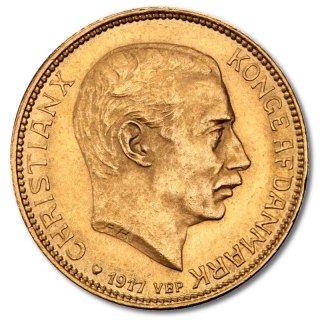
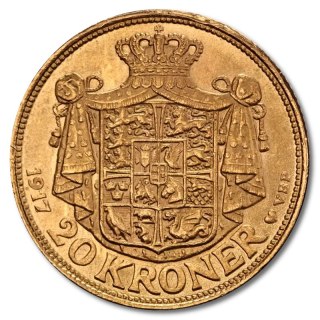
French 20 francs of the Napoleon and Coq types, German 10 and 20 mark pieces, Dutch ducats, Austrian 100 corona, American Double Eagles and Mexican 50 pesos, in circulated and better grades. Prices reflect fine gold content plus a premium that varies with condition and scarcity, over the market rate on the gold price page.
Questions buyers ask
How much gold is in a 20 franc coin?
5.807 g, or 0.1867 of a troy ounce, in a coin weighing 6.45 g at 900 fineness. Worn examples hold slightly less.
Why are historic coins only 900 fine?
Because they circulated. Copper in the alloy makes a coin hard enough to survive decades of handling, which fine gold does not.
What is a restrike?
A coin struck later than the date on its face. Mexico produced 50 pesos dated 1947 as late as 2009, and Austrian 100 corona dated 1915 are commonly restrikes. The gold content is identical to an original.
Are historic gold coins exempt from UK capital gains tax?
No. HMRC's exemption covers Sovereigns minted in 1837 and later and Britannia coins as sterling currency. Foreign coins fall outside it, and so does any British coin struck before 1837 — the 1837 cut-off is what matters here, not the age of the coin.
Does wear affect the value?
Yes, because it removes gold. On a circulated coin the loss is measurable against the standard weight, which is why worn pieces are priced below the figures in the table.
Do you buy historic coins back?
Yes. Pricing depends on the fine gold content and the condition of the individual coin rather than on a single published rate. See the buyback page.
Other gold coin series
Sovereign · Krugerrand · Britannia · Maple Leaf · American Eagle · Vienna Philharmonic · Australian Kangaroo · Chinese Panda · 1 oz gold coins
All series are listed together on the gold coins page. For the same metal without a face value, see gold bars.
Popular in this category
1 Gold Ducat Gold Coin | Circulating · 1 Gold Ducat Gold Coin | Non-circulating · 10 French Francs Marianne Rooster Gold Coin | 1899-1914