![[{[item.product.name]}]]([{[item.product.photo.url]}] 75w)
For free delivery are missing -,--
Order Summary
Sum 0,00 £
Price includes discounts

Silver Bars
Number of products: 41Silver bars price closest to the metal itself — no design premium, no collector market, just weight and fineness. GoldInvest24 stocks nine weights from 5 g to 1 kg, in 999 and 999.9 silver, from refiners and mints accredited under the LBMA Good Delivery system.
A heavier bar costs less per gram, because casting, packaging and handling cost roughly the same whether the bar holds 5 g or 1 kg. A lighter bar is easier to sell a piece at a time. Choose a weight below, or check the live silver price first.
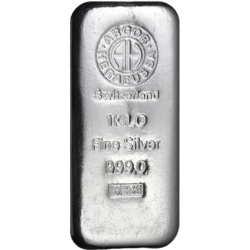
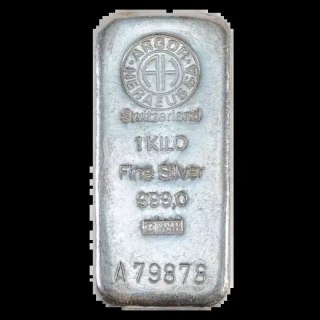
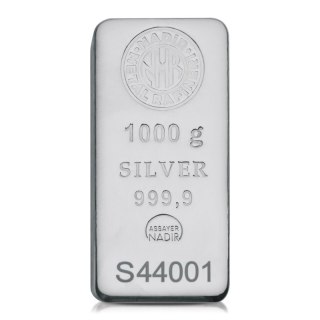

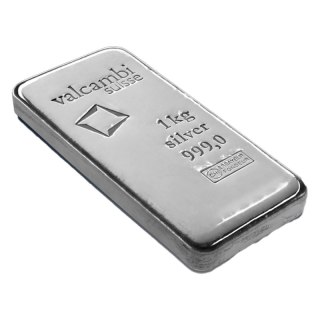
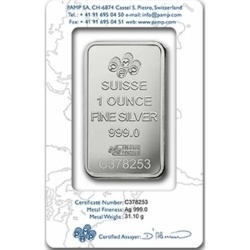
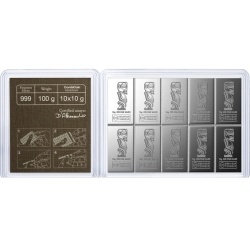
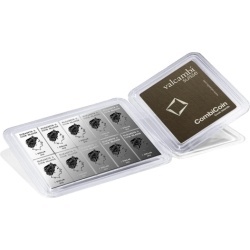
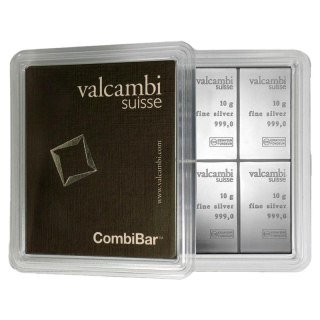
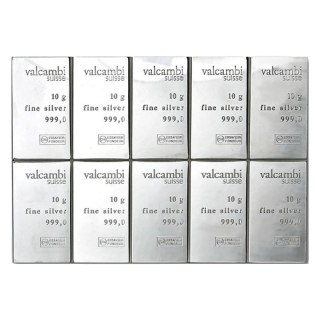
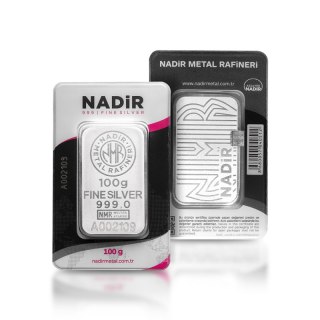
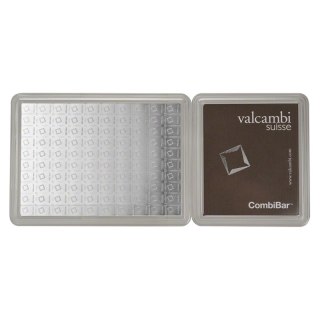
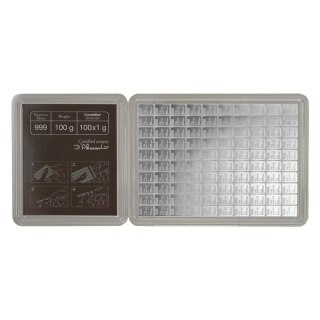
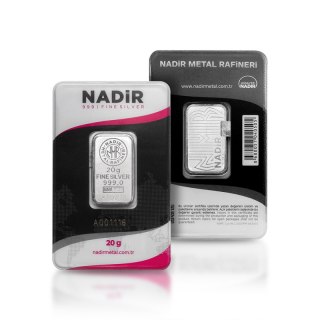
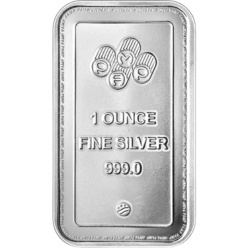
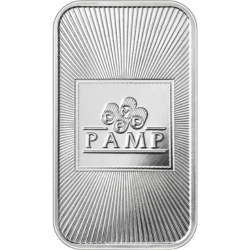
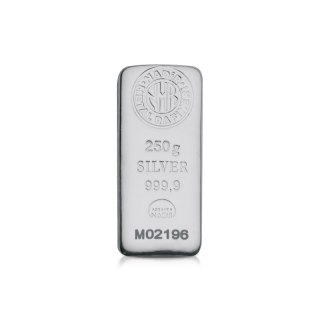
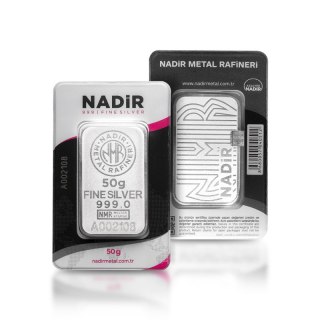
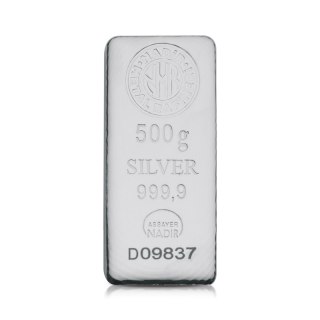
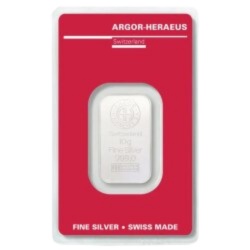
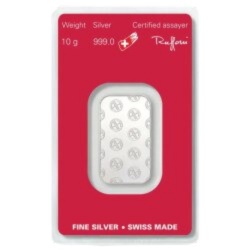
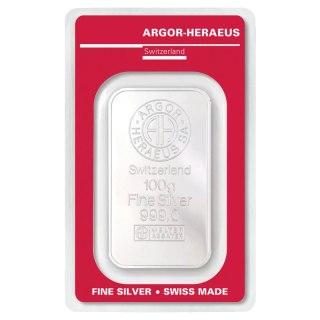
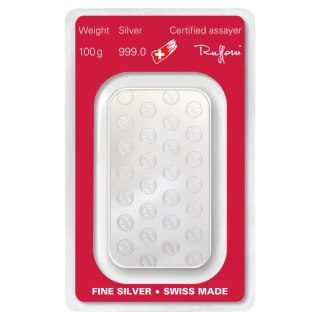
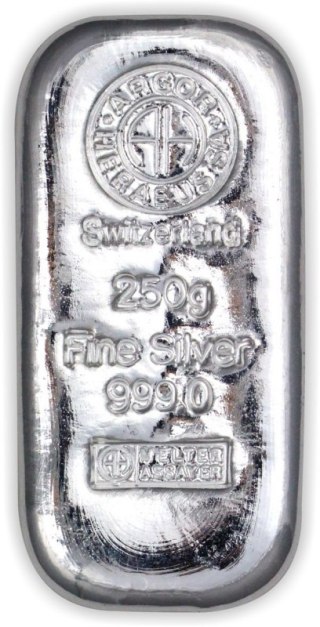
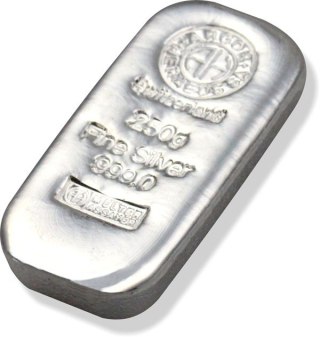
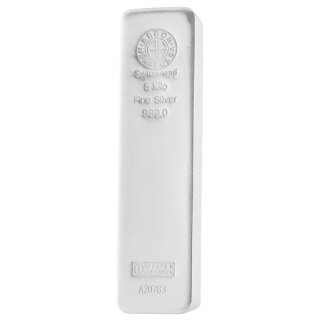
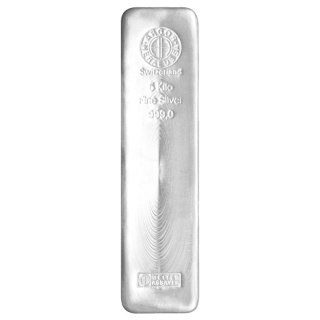
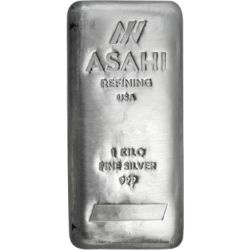
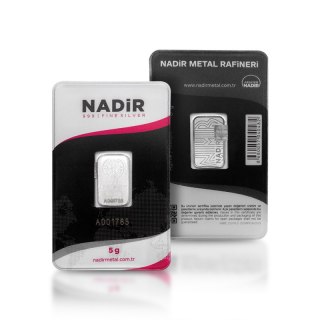
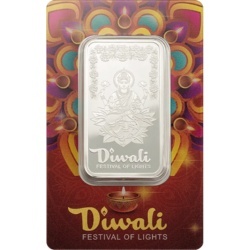
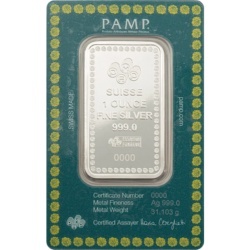
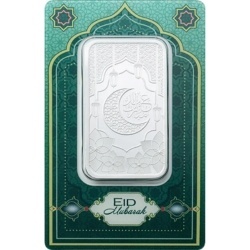
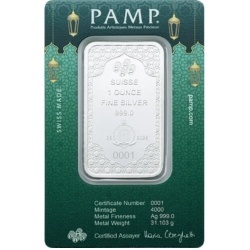
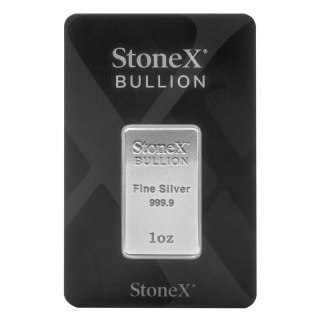
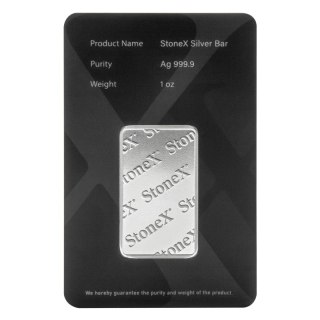
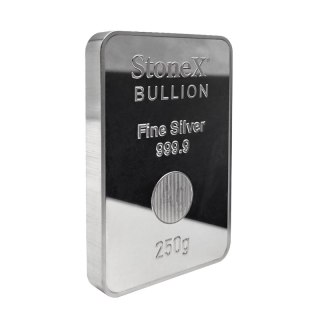
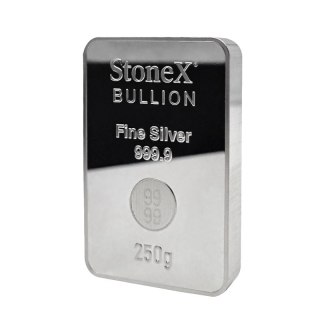
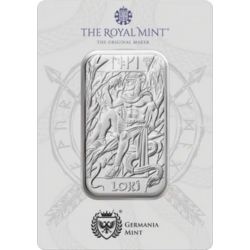
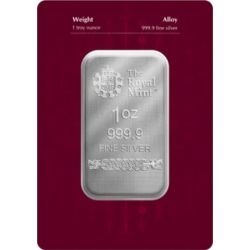
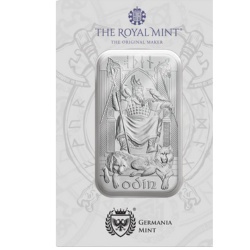
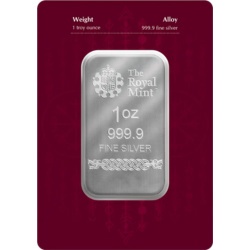
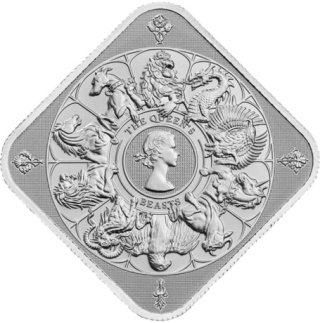
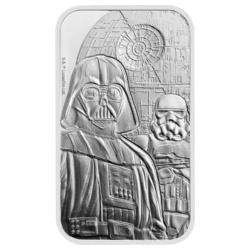
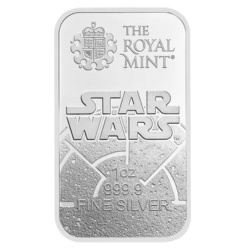
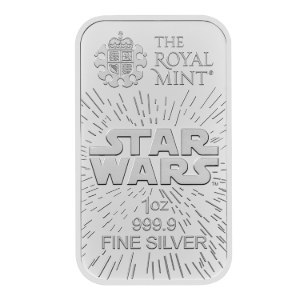
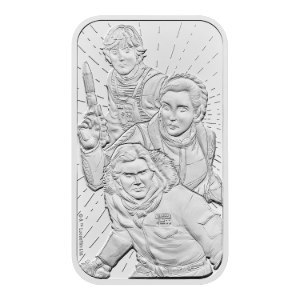
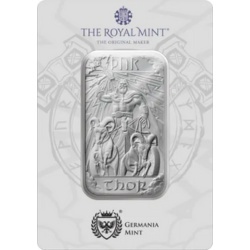
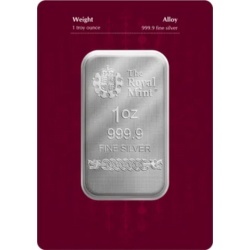
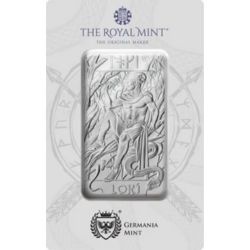
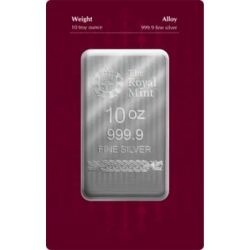
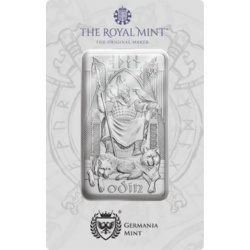
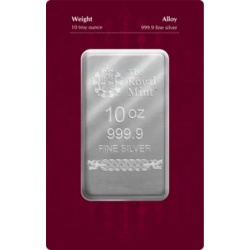
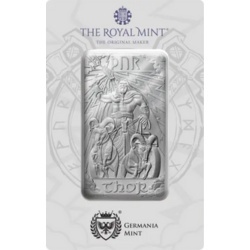
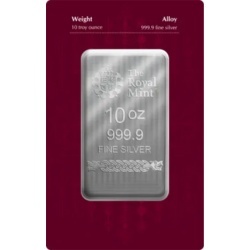
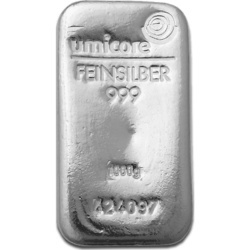
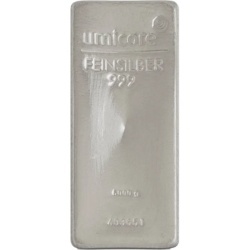
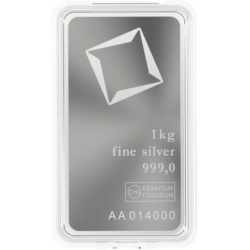
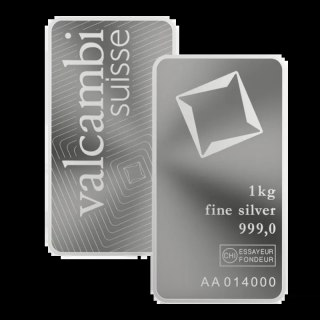
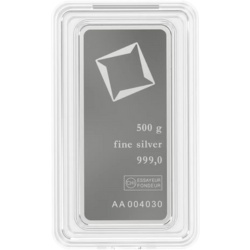
Silver bars by weight
Nine weights, each with its own page, stock list and current prices. The troy ounce column shows how much silver you actually receive — one troy ounce is 31.1035 g.
| Weight | Troy ounces | Premium per gram | Page |
|---|---|---|---|
| 5 g | 0.1608 oz | Highest in range | 5 g silver bars |
| 10 g | 0.3215 oz | High | 10 g silver bars |
| 20 g | 0.6430 oz | High | 20 g silver bars |
| 1 oz (31.1035 g) | 1.0000 oz | Moderate | 1 oz silver bars |
| 50 g | 1.6075 oz | Moderate | 50 g silver bars |
| 100 g | 3.2151 oz | Lower | 100 g silver bars |
| 250 g | 8.0377 oz | Lower | 250 g silver bars |
| 500 g | 16.0754 oz | Low | 500 g silver bars |
| 1 kg | 32.1507 oz | Lowest in range | 1 kg silver bars |
Cast or minted
Two production methods, two different looks and two different price points for the same silver content.
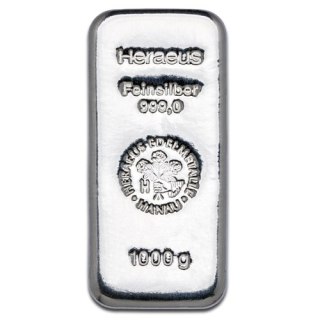
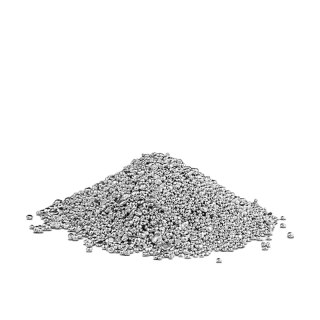
Cast bars are poured into a mould and cooled. The surface stays uneven, the edges are rounded, and each bar looks slightly different. Casting takes fewer steps, so cast bars carry a lower premium. Most 1 kg bars sold in Europe are cast.
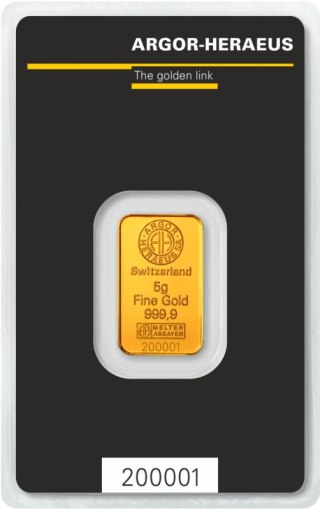
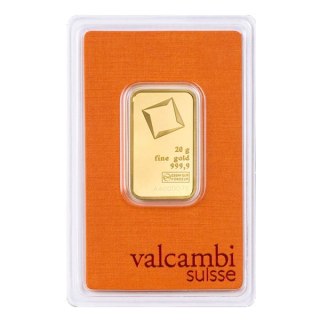
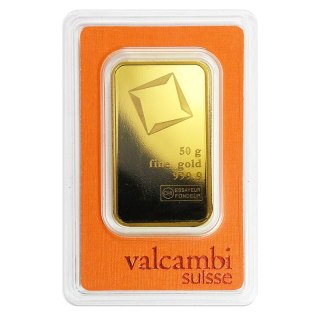
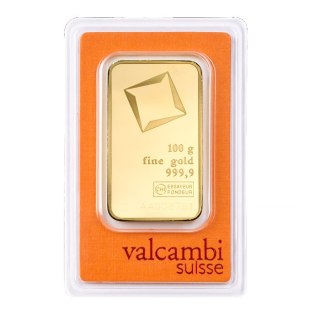
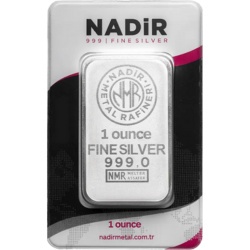
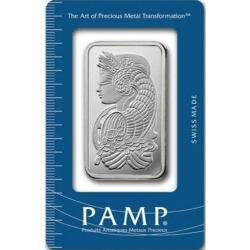
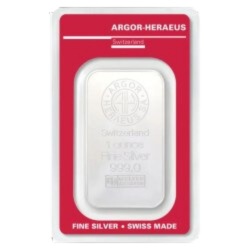
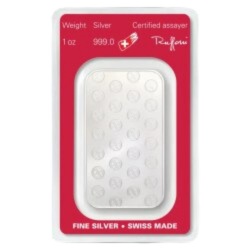
Minted bars are cut from a rolled strip and struck under pressure. The surface is flat and reflective, the edges are square, and the bar usually arrives sealed in a blister with a serial number printed on the card. That finish costs more per gram.
The silver content is identical. A 1 kg cast bar and a 1 kg minted bar both hold 32.1507 troy ounces of silver at 999 fineness. What differs is the finish, the packaging and the price you pay above spot.
How to choose a weight
Three questions settle it in practice.
- How much do you want to sell at once? A 1 kg bar leaves the shelf whole — you cannot sell a third of it. Ten 100 g bars hold the same silver and can be sold one at a time.
- How much space do you have? Silver is bulky. One kilogram of silver takes up roughly ten times the volume of one kilogram of gold at the same value, because silver is far cheaper per gram. Storage is a real constraint above a few kilograms.
- Cast or minted? If the bar is going into a safe and staying there, a cast bar gives more silver for the same money. If it is a gift or you want the sealed blister intact, choose minted.
Producers
The bars in this category come from refiners and mints operating under LBMA Good Delivery accreditation, including Argor-Heraeus, Valcambi, Umicore, PAMP Suisse and The Royal Mint, alongside Nadir Metal Rafineri, Asahi and StoneX Bullion. Availability changes with each delivery — the producer is named on every product page.
What to check before you order
Two things affect what you get back when you resell, and both are easy to overlook.
Packaging. Minted bars ship sealed in a blister with the serial number visible through the card. Once the seal is broken, most dealers treat the bar as unpackaged and check it again on intake. Keep the blister closed.
Surface condition. Silver tarnishes. A dark or patchy surface does not reduce the silver content by a single gram, but it does mean the bar will be weighed and tested rather than accepted on sight. Handle bars by the edges and keep them dry.
Related categories
Compare bars with silver coins, which carry a higher premium per gram but come in a single, instantly recognisable format. For gold in the same form, see gold bars. We also buy silver back.
Silver bars — frequently asked questions
How much silver is in a 1 kg silver bar?
A 1 kg bar at 999 fineness holds 999 g of pure silver, which is 32.1507 troy ounces. At 999.9 fineness it holds 999.9 g. The remainder is trace metal left by the refining process.
What is the difference between cast and minted silver bars?
Cast bars are poured into a mould and have an uneven surface and rounded edges. Minted bars are struck from a rolled strip, have a flat reflective surface and usually arrive in a sealed blister. The silver content is the same; minted bars cost more per gram because of the extra production steps.
Which silver bar weight has the lowest premium per gram?
The 1 kg bar. Casting, packaging and handling cost roughly the same for every bar, so spreading those costs across 1 000 g gives a lower cost per gram than spreading them across 5 g.
Does the packaging matter when I sell a silver bar back?
For minted bars, yes. An intact blister with a visible serial number lets a dealer identify the bar on sight. A broken seal does not change the silver content, but the bar will usually be weighed and tested before a price is quoted.
What does LBMA Good Delivery accreditation mean?
It means the refinery has met the London Bullion Market Association standard for assaying, fineness and production consistency, and appears on the Good Delivery List. The accreditation belongs to the refinery, not to a single bar, and it is not a certificate supplied with the product.
Why does silver tarnish and does it reduce the value?
Silver reacts with sulphur compounds in the air and darkens over time. Tarnish sits on the surface and removes no metal, so the silver content is unchanged. It does mean the bar is more likely to be tested on resale rather than accepted at a glance.